

 App Store
 Google Play







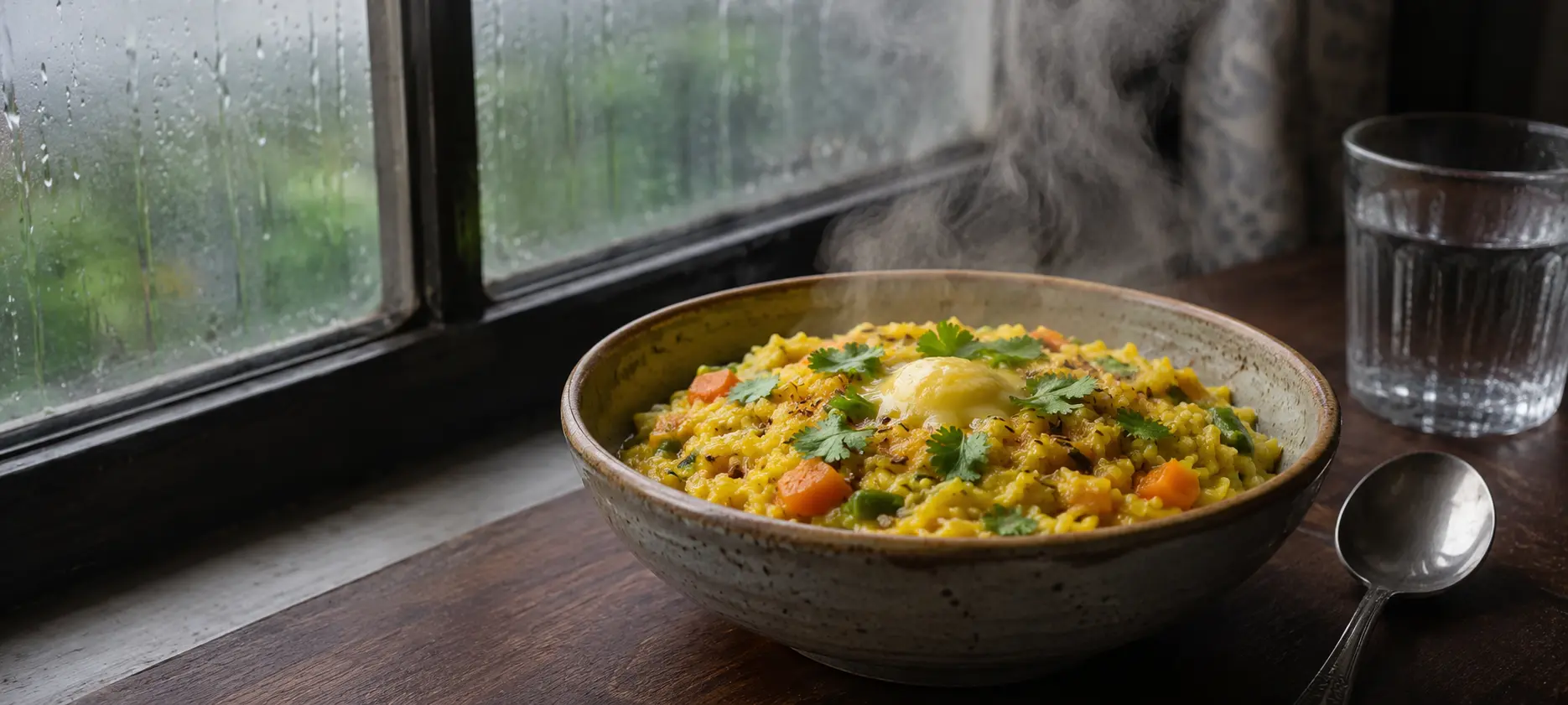
Rainy days often bring cravings for hot chai, pakoras and other comforting favourites. You do not need to give up these foods completely. However, balance and food safety become especially important during the monsoon.
The best food for rainy season meals is not one special ingredient. It is a balanced combination of freshly cooked grains, protein, vegetables, fruit, healthy fats and safe fluids. These foods cannot guarantee protection from infection, but they can support normal immune function, maintain energy and help your digestive system work well.
Why Is Food Important During the Monsoon Season?
Heavy rain, waterlogging and humid conditions can increase the possibility of food and water contamination. Cooked food may also spoil faster when it is stored incorrectly or left at room temperature for too long.
Your appetite, activity level and eating schedule may change during wet weather. You may also feel drawn towards fried or sugary snacks. Choosing nourishing rainy season food helps you meet your nutritional needs without making meals feel restrictive.
A balanced monsoon meal should ideally include:
- A source of protein
- Cooked vegetables
- Whole grains or other complex carbohydrates
- A small amount of healthy fat
- Safe drinking water or another low-sugar fluid
How Monsoon Affects Digestion and Immunity
Rainy weather does not automatically slow your metabolism or weaken your immune system. However, reduced physical activity, irregular meals, excessive fried food and unsafe water can contribute to bloating, acidity, constipation, diarrhoea or poor appetite.
Your immune system also needs adequate protein, vitamins and minerals to function normally. Nutritional deficiencies, inadequate sleep and uncontrolled health conditions may affect your body's ability to respond to infections.
Practical monsoon diet tips include eating regular meals, choosing freshly prepared food, drinking safe water and limiting foods that are very oily or difficult for you to digest.
Best Foods to Eat During the Rainy Season
Healthy food to eat in rainy season should be fresh, properly cooked and suited to your individual health needs. Useful options include:
- Moong dal khichdi with vegetables
- Dalia or broken wheat porridge
- Rice with dal, sambar or rasam
- Chapati with cooked vegetables and curd
- Idli with freshly prepared sambar
- Vegetable poha or upma
- Besan or moong dal chilla
- Eggs, fish, chicken, paneer, tofu or pulses
- Freshly prepared soups and broths
- Washed and freshly cut seasonal fruit
- Roasted nuts and seeds in moderate portions
For more guidance on meal planning, read the Monsoon Diet guide.
Warm Soups and Broths for Monsoon Comfort
Soups can provide fluid, warmth and valuable nutrients. They are especially useful when you have a low appetite or want a light evening meal.
Good options include:
- Mixed vegetable soup with beans or lentils
- Tomato soup with garlic and pepper
- Pumpkin or carrot soup
- Chicken broth with vegetables
- Clear mushroom soup
- Tomato rasam
- Moong dal soup
- Spinach soup made with thoroughly washed and cooked leaves
Avoid relying only on clear soup as a complete meal. Add dal, beans, tofu, paneer, egg or lean meat to improve its protein content. Limit packaged soup powders, which may contain excessive salt.
Protein-Rich Foods to Support Immunity
Protein helps your body maintain tissues, enzymes, immune cells and muscle mass. Include a protein source with each main meal.
Nutritious options include:
- Moong dal, masoor dal and other pulses
- Rajma and chickpeas, if you digest them comfortably
- Eggs
- Fish or lean chicken cooked thoroughly
- Paneer and tofu
- Pasteurised milk and freshly prepared yoghurt
- Nuts and seeds
- Besan or lentil chilla
- Sprouts that have been thoroughly cooked
Raw sprouts carry a higher risk of microbial contamination. Steaming or cooking them is safer, particularly for children, older adults, pregnant women and people with reduced immunity.
Seasonal Fruits to Include in Your Rainy Season Foods
Fruit provides fibre, vitamins, minerals and protective plant compounds. Availability may vary across different parts of India.
Suitable options include:
Wash fruit under safe running water. Cut it just before eating and avoid fruit that is bruised, mouldy or already sliced by a street vendor.
Whole fruit is generally a better choice than packaged juice because it provides fibre and usually contains less free sugar.
Vegetables That Are Ideal for the Rainy Season
Choose firm, fresh vegetables without signs of rot, fungal growth or insect damage. Useful options include:
- Bottle gourd
- Ridge gourd
- Snake gourd
- Pumpkin
- Carrot
- French beans
- Okra
- Brinjal
- Cauliflower
- Capsicum
- Sweet potato
You do not need to avoid all leafy vegetables during the monsoon. Inspect them carefully, remove damaged leaves, wash them thoroughly and cook them properly. Avoid raw leafy salads when the cleanliness of the produce or water is uncertain.
Herbs and Spices That May Support Immunity
Herbs and spices can add flavour while reducing the need for excessive salt, sugar or rich sauces.
Consider using:
- Ginger in tea, soup, dal or vegetable dishes
- Garlic in cooked meals
- Turmeric in curries, soups or warm milk
- Cumin in dal, khichdi and buttermilk
- Black pepper in soups and rasam
- Ajwain in dough or digestive preparations
- Coriander in freshly cooked food
- Cinnamon or cardamom in unsweetened warm drinks
Ginger may help some people manage nausea or digestive discomfort. However, herbs and spices cannot prevent or cure infections. Use them in normal culinary quantities unless your doctor has given different advice.
Healthy Indian Comfort Foods for Monsoon
Comfort food can be nutritious when you choose suitable ingredients and cooking methods.
Try:
- Moong dal khichdi with vegetables
- Vegetable dalia
- Idli and sambar
- Poha with peas and peanuts
- Vegetable upma
- Besan chilla
- Millet porridge
- Rasam with rice and cooked vegetables
- Homemade kadhi with rice, if you tolerate dairy
- Roasted or steamed corn
- Baked or air-fried pakoras
- Homemade dhokla
- Steamed momos with a cooked filling
When choosing eatables in rainy season, prefer homemade food over snacks prepared with uncertain water, reused oil or ingredients left uncovered.
Foods and Drinks to Avoid During Monsoon
Foods to avoid during rainy season are mainly those with a higher contamination risk or those that may cause digestive discomfort when eaten frequently.
Limit or avoid:
- Street food that is exposed to dust, flies or unsafe water
- Raw chutneys and salads from uncertain sources
- Pre-cut fruit sold outdoors
- Ice made from an unknown water source
- Undercooked eggs, meat, fish or seafood
- Unpasteurised milk or dairy products
- Raw or undercooked sprouts
- Food stored at room temperature for long periods
- Leftovers that have not been refrigerated properly
- Mouldy bread, grains, nuts or spices
- Excessively fried snacks
- Sugary drinks and packaged juices
- Too much tea or coffee
- Food cooked in repeatedly reused oil
You do not need to avoid yoghurt, fruit or leafy vegetables simply because it is raining. Safe preparation, storage and individual tolerance matter more than seasonal myths.
Tips for Safe Food Consumption During the Rainy Season
Follow these precautions at home:
- Wash your hands before preparing or eating food.
- Clean cooking surfaces and utensils regularly.
- Keep raw meat, eggs and seafood separate from cooked food.
- Cook food thoroughly.
- Reheat leftovers until they are steaming hot.
- Use purified, boiled or otherwise safe drinking water.
- Refrigerate perishable food promptly.
- Prepare only the quantity you are likely to consume.
- Check stored grains, nuts and spices for moisture or mould.
- Keep food covered to protect it from insects.
- Wash fruits and vegetables under safe running water.
- Avoid washing produce with soap or household cleaning products.
- Discard food with an unusual smell, texture or appearance.
These measures are more effective than depending on any single so-called immunity food.
Hydration Tips for Monsoon Wellness
You may feel less thirsty in cooler weather, but your body still needs adequate fluid. Drink safe water regularly instead of waiting until you feel very thirsty.
Soups, coconut water, thin dal, homemade lemon water and freshly prepared buttermilk can contribute to fluid intake. Keep added sugar and salt moderate.
During diarrhoea or vomiting, an oral rehydration solution may help replace water and electrolytes. Seek medical care if you cannot retain fluids or develop signs of dehydration. If you have kidney, liver or heart disease, follow the fluid limits recommended by your doctor.
Which Tests Help Assess Nutritional and Overall Health?
You do not need blood tests simply because the monsoon has started. Testing should be based on your age, symptoms, diet, medical history and risk factors.
Depending on your needs, your doctor may consider:
- Complete blood count to assess haemoglobin and blood cell levels
- Ferritin and iron studies when iron deficiency is suspected
- Vitamin B12 testing
- Vitamin D testing
- Blood glucose and HbA1c
- Thyroid function tests
- Kidney and liver function tests
- Electrolyte tests after significant vomiting, diarrhoea or dehydration
- Stool tests for persistent diarrhoea or suspected intestinal infection
Many routine investigations can be booked as a blood test at home, which may be convenient when heavy rain makes travel difficult. Test selection and interpretation should always consider your symptoms and clinical history.
Signs That Your Diet May Be Affecting Your Health
Speak to a healthcare professional if you regularly experience:
- Persistent tiredness or weakness
- Dizziness or frequent headaches
- Poor appetite lasting several days
- Unexplained weight loss or weight gain
- Recurrent bloating, acidity or abdominal discomfort
- Frequent constipation or loose stools
- Pale skin
- Mouth ulcers
- Brittle nails or increased hair fall
- Muscle cramps
- Difficulty concentrating
These concerns are not always caused by food. Nutritional deficiencies, infections, medicines and underlying health conditions can produce similar symptoms.
Seek prompt medical care for persistent fever, severe abdominal pain, blood in the stool, repeated vomiting, confusion, very low urine output or other signs of significant dehydration.
Key Takeaways
- Choose freshly prepared, balanced meals during the monsoon.
- Include protein, cooked vegetables, whole grains and fruit every day.
- Enjoy soups, khichdi, rasam and other comforting foods without relying only on refined carbohydrates.
- Use ginger, garlic and turmeric for flavour, but do not treat them as cures.
- Limit high-risk street food, unsafe water, pre-cut fruit and improperly stored leftovers.
- Cook sprouts, eggs, meat and seafood thoroughly.
- Continue drinking safe water even when you feel less thirsty.
- Focus on variety and food hygiene rather than searching for one best food to eat in rainy season.
Healthy meals work best when they are combined with preventive healthcare and regular monitoring of important health markers. Metropolis Healthcare offers more than 4,000 tests, speciality testing, reliable reports and convenient home sample collection through a network of 10,000 touchpoints. You can book through the website, app, call or WhatsApp.
A routine full body checkup, selected according to your age and health risks, can help you stay informed and take timely steps towards better health.
FAQs About Rainy Season Foods
Which Foods Help Boost Immunity in Monsoon?
No single food can instantly boost your immunity or prevent infection. A varied diet supports normal immune function. Include adequate protein, colourful vegetables, whole fruit, pulses, eggs, fish, nuts, seeds and pasteurised dairy products. Vitamin C, vitamin D, zinc, iron and other nutrients all play different roles in immune health.
Good sleep, physical activity, vaccination, hand hygiene and safe food preparation are also important.
Which Foods Should Be Avoided During Monsoon?
Avoid food made with unsafe water, exposed street food, pre-cut fruit, raw sprouts, undercooked animal products and food stored incorrectly. Also limit very oily or sugary foods if they cause bloating, acidity or poor appetite.
You do not need to avoid nutritious food groups without a medical reason. Preparation and storage are usually more important than the ingredient itself.
Are Soups Good for Monsoon Health?
Yes. Freshly prepared soups can provide fluid, vegetables and warmth. Add lentils, beans, tofu, paneer, egg or lean meat to make them more balanced.
Avoid excessive cream, butter, salt and packaged soup powder. Soup can support nutrition and hydration, but it does not prevent seasonal infections.
What Should Children and Elderly People Eat During Monsoon?
Children and older adults can have small, regular meals containing soft grains, dal, cooked vegetables, fruit and an age-appropriate protein source. Khichdi, idli, porridge, soup, curd rice and dalia may be suitable, depending on individual tolerance and medical needs.
Use safe water, avoid raw sprouts and ensure that eggs, meat and fish are cooked thoroughly. Older adults with diabetes, kidney disease, heart disease or swallowing difficulties may need a personalised meal plan.
References
- Indian Council of Medical Research and National Institute of Nutrition. Dietary Guidelines for Indians. Hyderabad: ICMR-NIN; 2024.
- World Health Organization. Five Keys to Safer Food Manual. Geneva: World Health Organization; 2006.
- World Health Organization. Healthy Diet. Geneva: World Health Organization; updated 2026.
- Gombart AF, Pierre A, Maggini S. A review of micronutrients and the immune system working in harmony to reduce the risk of infection. Nutrients. 2020;12(1):236. PMID: 31963293.
- Bodagh MN, Maleki I, Hekmatdoost A. Ginger in gastrointestinal disorders: A systematic review of clinical trials. Food Sci Nutr. 2019;7(1):96-108. PMID: 30680163.
- National Institutes of Health, Office of Dietary Supplements. Probiotics Fact Sheet for Consumers. Bethesda: National Institutes of Health; updated 2025.