What Does the Double Marker Test Measure?
The double marker test evaluates specific substances in your blood to calculate risk factors for chromosomal conditions:
• Free beta-human chorionic gonadotropin (Free β-hCG): A hormone produced by the placenta during early pregnancy. Abnormal levels may indicate increased risk for chromosomal abnormalities.
• Pregnancy-Associated Plasma Protein-A (PAPP-A): A protein produced by the placenta. Lower than expected levels in the first trimester may suggest a higher risk for Down syndrome (Trisomy 21) and other chromosomal abnormalities.
• Risk calculation: These measurements are combined with your age and ultrasound findings to provide a comprehensive risk assessment.
Double Marker Test: Who Needs It and Why It's Done
What Symptoms May Call for a Double Marker Test?
This screening test is not performed based on any symptoms you might experience. The double marker test is offered as part of routine prenatal care to proactively assess your baby's health:
• Recommended as standard first-trimester care for all pregnancies
• Part of comprehensive antenatal monitoring
• Provides early reassurance about your baby’s well-being
Who Should Get a Double Marker Test?
This screening test is particularly recommended for certain groups, though it can benefit all pregnant women:
• Women over 35 years: Advanced maternal age increases the risk of chromosomal abnormalities.
• Family history: Those with a family history of chromosomal disorders or genetic conditions.
• Previous pregnancy concerns: Women who have previously had a child with chromosomal abnormalities.
• Medical history: Individuals with diabetes or those taking certain medications during pregnancy.
• Routine prenatal care: All pregnant women, as part of comprehensive first-trimester screening.
Why Is a Double Marker Test Done?
The double marker test provides crucial early information about your pregnancy, helping you and your doctor make informed decisions about further testing and prenatal care while ensuring the safety of both mother and baby.
Importance of a Double Marker Test
The double marker test serves as a vital first step in prenatal screening, offering you peace of mind during early pregnancy. This safe, non-invasive test identifies pregnancies that may need closer monitoring or additional testing. When performed between 11–14 weeks of pregnancy, it provides crucial information that enables timely genetic counselling and appropriate prenatal care planning.
The test doesn't diagnose conditions but guides you towards the right next steps, ensuring you receive personalised care throughout your pregnancy journey.
Double Marker Test Booking & Reports – Metropolis Healthcare India
How to Book a Double Marker Test?
- Simple Online Booking
Select 'the Double Marker Test', choose a convenient time slot and provide your address for home sample collection. You can also visit the nearest Metropolis Lab if you prefer to give the sample directly at the lab.
- Safe Home Sample Collection
Our trained phlebotomists ensure the timely collection of your sample while strictly following all safety and hygiene protocols.
- Sample Tracking Updates
Stay informed at every step — from collection to testing — and track your sample directly through the Metropolis Healthcare website.
- Accurate Laboratory Testing
Your sample is processed at our NABL- & CAP-accredited laboratories, where expert technicians ensure accurate results.
- Quick & Easy Reports
Receive your test reports promptly via email, WhatsApp, or by downloading them directly from the Metropolis Healthcare website or app.
Is Home Sample Collection for the Double Marker Test Available Near You?
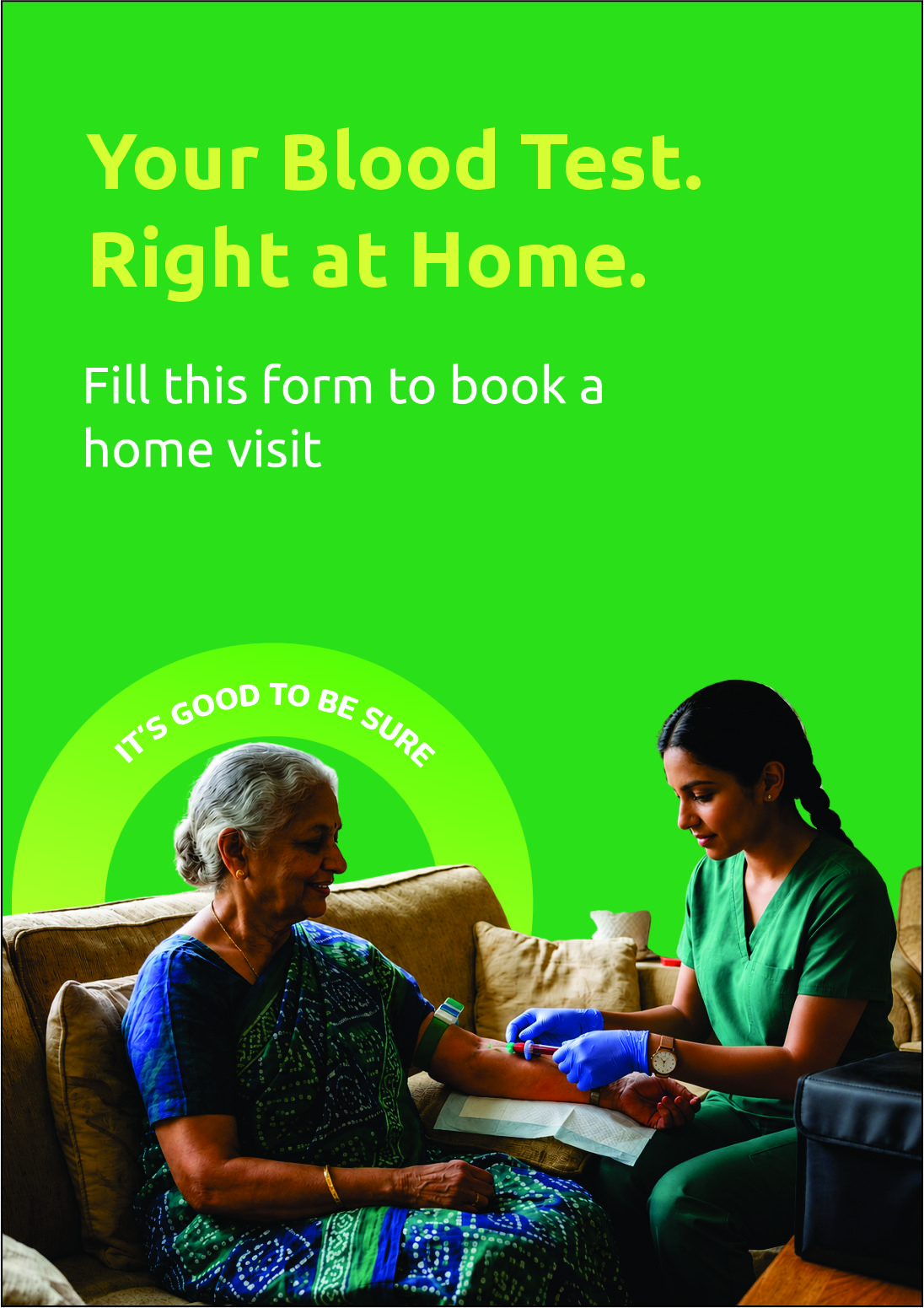
Yes, Metropolis Healthcare provides home sample collection for the double marker test, making prenatal screening stress-free during this important time. Our trained phlebotomists visit your home at your preferred time, following strict safety protocols to ensure accurate sample collection. This service eliminates the need for hospital visits.
How Long Does It Take to Get a Double Marker Test Report?
Reports are typically available the same day — by 9:00 PM — after the sample reaches the lab.
Where Can I See or Get the Double Marker Test Results?
You can access your Metropolis Healthcare test results easily through multiple channels — website, app, email, or WhatsApp. Log in using your credentials to view or download reports. Additionally, test reports are sent via email or WhatsApp, and you also have the option to collect a physical copy directly from the lab.
Interpreting Double Marker Test Results
The following table helps you understand what your double marker test results mean and the risk assessments provided:
|
Disorder
|
Screen Positive Cut Off (ACOG 2007)
|
MOM Cut off
(ACOG 2007)
|
Remarks
|
|
Trisomy-21
|
1:250
|
Free β-hCG: ≥ 1.98
PAPP-A: ≤ 0.43
|
Confirmatory diagnostic testing (such as NIPT, CVS, or amniocentesis) should be considered under your doctor’s advice.
|
|
Trisomy-18 / Trisomy-13
|
1:100
|
Free β-hCG: ≤ 0.5
PAPP-A: ≤ 0.4
|
A detailed Level III (targeted) ultrasound is recommended for confirmation and further evaluation.
|
Conditions that May Affect Double Marker Test Accuracy
Several factors can influence your double marker test results and should be discussed with your doctor:
• Incorrect gestational age: Inaccurate dating of pregnancy can affect risk calculations significantly.
• Multiple pregnancies: Twin or triplet pregnancies may alter hormone levels and affect interpretation.
• Maternal weight: Very high or low body weight can influence hormone concentrations in the blood.
• Smoking: Heavy smoking can lower PAPP-A levels, potentially affecting risk calculations.
• Certain medications: Some medicines may interfere with hormone levels during pregnancy.
• Previous pregnancy complications: A history of pregnancy-related conditions may influence results.
• Maternal diabetes: Can affect protein and hormone levels measured in the test
How Is a Double Marker Test Done?
The double marker test follows a simple and safe procedure that takes just a few minutes:
• You'll be seated comfortably, and the phlebotomist will clean the area on your arm with an antiseptic.
• A trained professional will locate a suitable vein, typically in your arm.
• A sterile needle is inserted to draw approximately 3 ml of blood into a special tube.
• The blood sample is properly labelled with your details and stored at the correct temperature.
• The needle is removed, and a cotton ball or bandage is applied to prevent bleeding.
• Your sample is sent to the laboratory for analysis.
How Should You Prepare for a Double Marker Test?
Preparing for your double marker test is straightforward and requires minimal effort:
• No fasting required: You can eat and drink normally before the test.
• Bring required documents: Ensure you have your filled maternal TRF with barcode and latest ultrasound report.
• Medication information: Inform your doctor about all medications and supplements you're taking.
• Comfortable clothing: Wear clothes that allow easy access to your arm for blood collection.
• Stay hydrated: Drink enough water to make blood collection easier.
• Medical history: Be prepared to share accurate pregnancy history and gestational age details.
Diseases that a Double Marker Test Can Help Detect
The double marker test screens for several important chromosomal conditions that can affect your baby's development:
• Down syndrome (Trisomy 21): The most common chromosomal condition causing intellectual disability and characteristic physical features.
• Edwards Syndrome (Trisomy 18): A chromosomal condition that affects multiple organ systems.
• Patau Syndrome (Trisomy 13): A rare but severe chromosomal disorder affecting brain and heart development.
• Neural tube defects: These are not detected by the Double Marker Test alone but may be identified in second-trimester screening (triple or quadruple marker tests)
• Growth-related complications: Low PAPP-A levels may suggest potential growth issues.
Double Marker Tests/Packages that You Can Book With Metropolis Healthcare
Metropolis Healthcare offers comprehensive prenatal screening options to support your pregnancy journey:
|
Test/Package Name
|
Purpose/Highlights
|
|
Maternal Screen (Triple Test) Second Trimester Test
|
Screens for chromosomal abnormalities and neural tube defects in the second trimester
|
|
First-Trimester Test-V, Serum Quad Test (Free β-hCG, PAPP-A, AFP, PLGF)
|
Comprehensive first-trimester screening, including Free Beta HCG, PAPP-A, AFP, and PLGF
|
|
Trisomy (Aneuploidy) Chromosomes 13, 18, 21, X, and Y by FISH
|
Diagnostic confirmation test for specific chromosomal conditions
|




 App Store
 Google Play


 Upload Prescription

 Mumbai
 Pune
Pune
 Bangalore
 Surat
Surat
 Delhi
Delhi
 Chennai