

 App Store
 Google Play






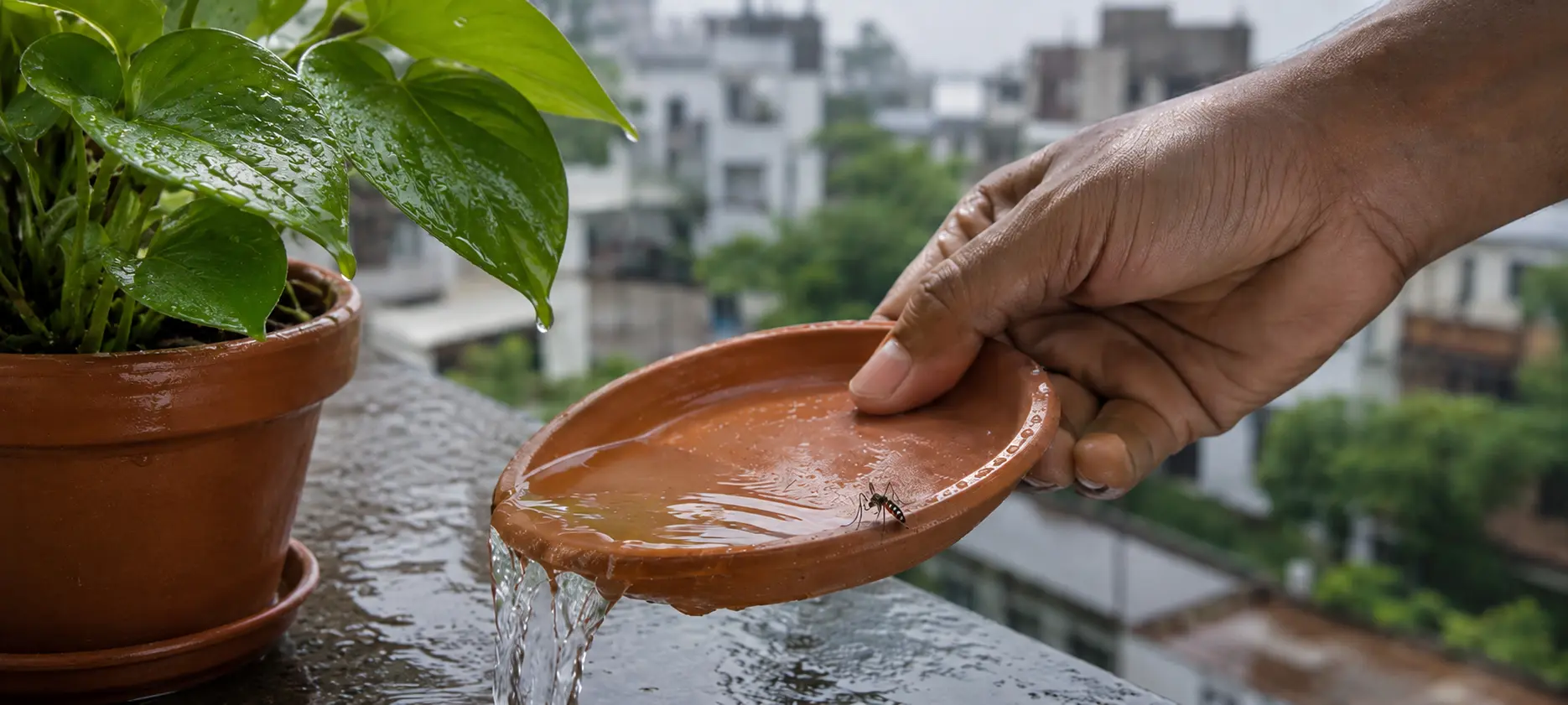
The monsoon brings welcome relief from the heat, but it also creates conditions in which mosquitoes can multiply quickly. Small collections of rainwater in coolers, plant trays, buckets, tyres and discarded containers can become breeding sites for Aedes mosquitoes, which spread dengue.
The good news is that consistent dengue prevention can lower your risk. A weekly check around your home, effective mosquito bite prevention and early attention to symptoms can help protect you and your family throughout the rainy season.
Why Does Dengue Increase During The Monsoon?
Rainwater often collects in small containers around homes, schools and workplaces. Aedes mosquitoes lay eggs in these water holding spaces. Warm and humid conditions also support mosquito activity.
Dengue cases may therefore rise during and after periods of heavy rain. This makes household cleanliness and water management an important part of monsoon disease prevention.
Understanding Dengue Fever In Monsoon
Dengue is a viral infection. It is mainly spread through the bite of an infected female Aedes aegypti mosquito. Aedes albopictus can also transmit the virus.
These mosquitoes are active during the day, with common biting periods in the early morning and late afternoon. However, you should use protection throughout the day because bites can occur at other times too.
Dengue does not usually spread through casual contact, sharing food or touching an infected person. A mosquito becomes infected after biting a person who has dengue and can then pass the virus to another person.
Common Symptoms Of Dengue Fever
Some people have mild symptoms or no symptoms. When symptoms occur, they may include:
- Sudden high fever
- Severe headache
- Pain behind the eyes
- Muscle, bone or joint pain
- Nausea or vomiting
- Skin rash
- Tiredness or weakness
Most people recover with proper medical guidance, rest and hydration. However, dengue can sometimes become severe. Warning signs may appear as the fever starts to settle.
Seek urgent medical care if you notice:
- Severe abdominal pain
- Persistent vomiting
- Bleeding from the nose or gums
- Blood in vomit or stools
- Rapid breathing
- Marked drowsiness, restlessness or confusion
- Pale, cold or clammy skin
- Severe weakness, dizziness or reduced urination
Do not wait for the platelet count to fall before seeking help if any warning sign is present.
Top Dengue Prevention Tips During Monsoon
Remove Stagnant Water Every Week
Set aside a few minutes each week to inspect your home and surroundings. Empty, scrub and dry items that can hold water.
Check:
- Flowerpot trays and vases
- Air cooler tanks
- Buckets, tubs and drums
- Pet water bowls
- Refrigerator drip trays
- Bird baths
- Tarpaulins and plastic sheets
- Old tyres, bottles, cans and coconut shells
- Roof gutters, balconies and drains
Scrubbing matters because mosquito eggs may stick to the inner walls of containers. Turn unused containers upside down or dispose of them safely.
Cover Stored Water Properly
Use tight-fitting lids on tanks, drums, buckets and other water storage containers. Repair damaged covers. Do not leave gaps through which mosquitoes can enter.
If a container cannot be emptied, ask your local health authority about safe larval control measures. Do not add household chemicals to drinking water.
Prevent Mosquito Bites During The Day
Apply a proven mosquito repellent to exposed skin and follow the label instructions. Products containing DEET, picaridin or icaridin, or IR3535 may offer protection when used correctly.
Wear loose, light-coloured clothes that cover your arms and legs. Full-sleeved shirts, long trousers, socks and closed footwear can reduce exposed skin.
Keep Mosquitoes Out Of Your Home
Install mesh screens on windows and doors. Repair holes promptly. Keep doors closed where practical.
Use mosquito nets for babies, older adults, people who are unwell and anyone sleeping during the day. Indoor vapourisers may provide additional protection when used according to the product instructions.
Keep Shared Spaces Clean
Dengue protection works best when neighbours act together. Report waterlogging, blocked drains and unmanaged waste to the appropriate local authority.
Schools, housing societies and workplaces should inspect terraces, gardens, parking areas and construction spaces each week. Fogging may support official outbreak control, but it does not replace the removal of mosquito breeding sites.
How To Protect Children And Older Adults From Dengue
Children and older adults may need extra support with prevention and symptom monitoring.
- Dress children in clothes that cover their arms and legs.
- Use age-appropriate mosquito repellent exactly as directed on the label.
- Do not apply repellent near a child's eyes, mouth, hands or irritated skin.
- Use a mosquito net over prams, cots and beds when needed.
- Check play areas, toys and outdoor equipment for collected water.
- Help older adults stay hydrated and monitor them closely if they develop fever.
- Seek early medical advice for infants, older adults and people with diabetes, kidney disease or other long-term conditions.
Importance Of Platelet Count In Dengue
Platelets help your blood clot. Dengue can cause the platelet count to fall, so doctors may monitor it through a complete blood count.
However, platelet count is only one part of the assessment. A low count does not by itself confirm dengue, predict bleeding or mean that a platelet transfusion is needed. Doctors also consider your symptoms, bleeding, hydration, blood pressure, haematocrit and the direction in which test results are changing.
Serial results may be more useful than a single value. Follow the testing schedule advised by your doctor and avoid comparing your report with someone else's.
Which Tests Help Diagnose Dengue?
Your doctor selects tests according to the day of illness, your symptoms and local disease patterns.
Dengue NS1 Test
The NS1 antigen test can help detect dengue during the early phase, usually within the first seven days of symptoms. A positive result supports an acute dengue diagnosis. An early negative result does not always rule it out.
Dengue RT-PCR Test
RT-PCR detects dengue viral genetic material. It is most useful during the early phase of illness and can confirm a current infection when positive.
Dengue IgM Antibody Test
IgM antibodies usually become detectable a few days after symptoms begin. IgM testing becomes particularly useful later in the illness and after the first week.
Complete Blood Count (CBC Test)
A complete blood count measures platelets, white blood cells, haemoglobin and haematocrit. It helps your doctor monitor changes but does not confirm dengue on its own.
A single IgG antibody result is generally not used to diagnose an acute infection because it may reflect a past dengue infection. Test timing and interpretation are important, so discuss the right test with a qualified medical professional.
Why Early Dengue Testing Is Important
Dengue can resemble malaria, chikungunya and other causes of fever. Laboratory testing helps clarify the diagnosis and supports appropriate monitoring.
Early medical assessment is also important because severe warning signs can develop around the time the fever begins to reduce. Do not assume that a lower temperature always means you are recovering.
What To Do If You Suspect Dengue Infection
- Contact a doctor for assessment and testing guidance.
- Rest and drink water, oral rehydration solution, soups or other suitable fluids.
- Take paracetamol only as advised for fever or pain.
- Avoid aspirin, ibuprofen, diclofenac and similar medicines unless a doctor specifically tells you to take them. They may increase bleeding risk.
- Do not self-medicate with antibiotics, steroids or platelet-raising remedies.
- Watch for warning signs, especially when the fever starts to settle.
- Use a mosquito net and repellent while unwell. This helps prevent mosquitoes from biting you and passing the virus to others.
No food, juice or herbal remedy can cure dengue. Nutritious meals and fluids can support recovery, but they do not replace medical care.
Dengue Prevention Tips At Home: A Weekly Checklist
Use this simple checklist throughout the monsoon:
- Empty and scrub water holding containers.
- Cover tanks and stored water.
- Clear roof gutters and drains.
- Remove outdoor clutter and discarded containers.
- Change water in vases and pet bowls regularly.
- Repair window and door screens.
- Keep mosquito repellent available.
- Wear protective clothing during daytime outdoor activity.
- Check common areas with your neighbours or housing society.
- Seek medical advice promptly if fever develops.
Key Takeaways
Dengue prevention begins with stopping mosquitoes from breeding and protecting yourself from bites. Remove stagnant water every week, cover stored water, use repellent and wear protective clothing.
If you develop fever, body pain, rash or other possible dengue symptoms, seek medical advice. Urgent care is needed for severe abdominal pain, repeated vomiting, bleeding, breathing difficulty, marked weakness or unusual drowsiness.
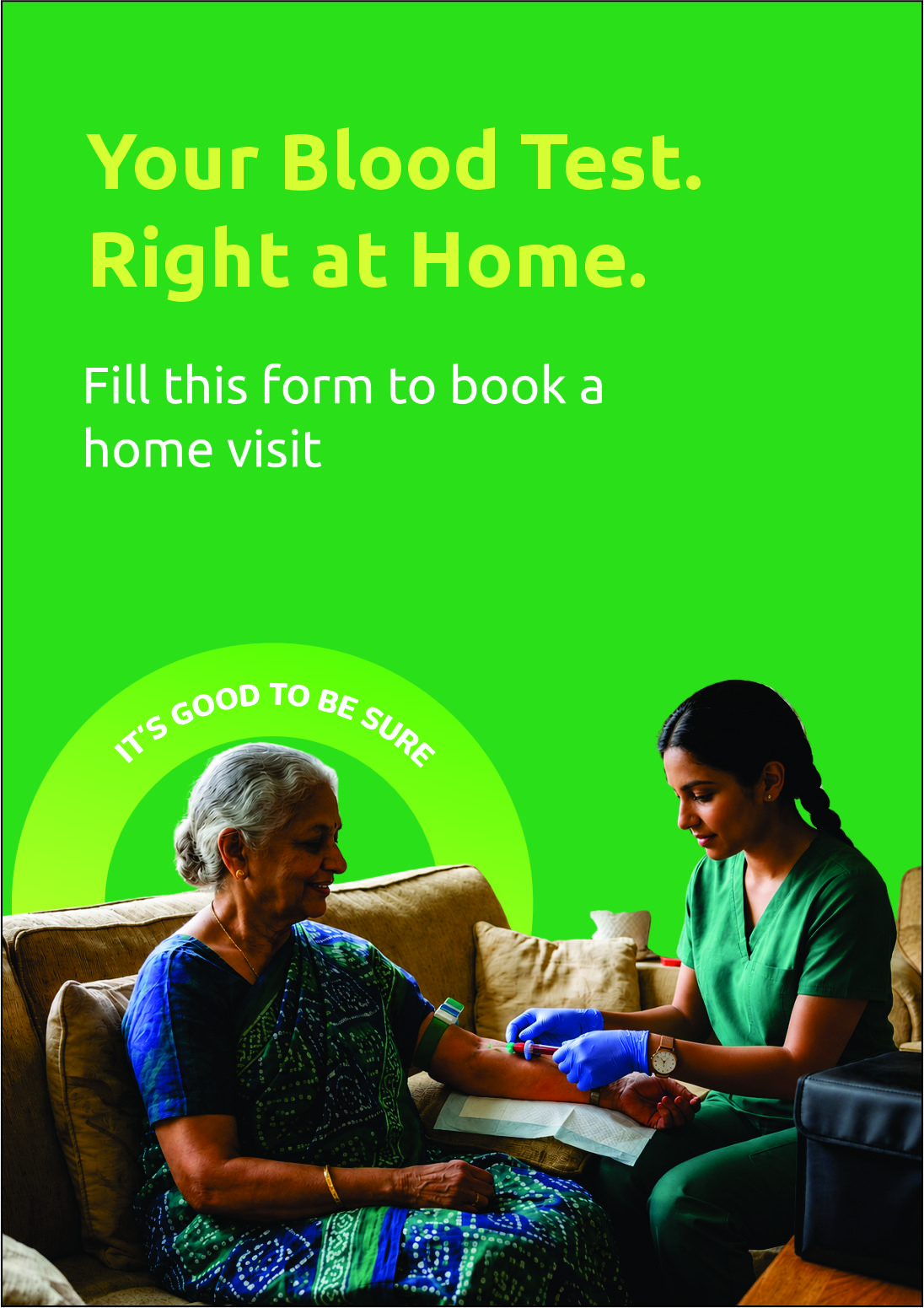
Metropolis Healthcare can support timely and convenient health testing with accurate reports, expert pathology services and home sample collection. You can book a blood test at home through the website, app, call or WhatsApp. Depending on your symptoms and medical advice, a dengue test or fever profile test may help investigate the cause of fever. Beyond seasonal illness, routine preventive screening and a suitable full body checkup can help you stay informed about important health markers.
FAQs About Dengue Prevention During Monsoon
Why Does Dengue Increase During Monsoon?
Rain creates small collections of water in containers, coolers, drains and waste items. These spaces allow Aedes mosquitoes to breed, increasing the chance of dengue transmission.
How Can I Prevent Dengue At Home?
Empty and scrub water holding containers every week. Cover stored water, clear drains, repair window screens, use mosquito repellent and wear clothes that cover your arms and legs.
Which Mosquito Spreads Dengue?
Dengue is mainly spread by infected female Aedes aegypti mosquitoes. Aedes albopictus can also transmit it. These mosquitoes are active mainly during the day.
How Can I Protect My Family During Monsoon?
Use repellent, protective clothing, screens and mosquito nets. Remove stagnant water around your home and involve your neighbours, school or housing society in weekly checks.
Can Dengue Spread Directly From One Person To Another?
Dengue does not usually spread through casual person-to-person contact. It is mainly transmitted when an infected mosquito bites a person.
Does A Low Platelet Count Always Mean Severe Dengue?
No. Doctors assess platelet trends along with symptoms, bleeding, haematocrit, blood pressure and overall clinical condition. A low platelet count alone does not determine severity.
Which Test Is Best For Dengue?
The right test depends on the day of illness. NS1 antigen and RT-PCR are useful early, while IgM antibody testing is more useful after antibodies develop. Your doctor can choose the most appropriate test.
When Should I Seek Emergency Care?
Seek urgent care for severe abdominal pain, persistent vomiting, bleeding, rapid breathing, confusion, marked drowsiness, pale or cold skin, severe weakness or reduced urination.
References
- World Health Organization. Dengue. Fact sheet. Updated 21 August 2025.
- World Health Organization. Laboratory Testing for Dengue Virus: Interim Guidance. Geneva: World Health Organization; 2025.
- World Health Organization. Promoting dengue vector surveillance and control.
- Centers for Disease Control and Prevention. Preventing Dengue. Updated 15 May 2025.
- Centers for Disease Control and Prevention. Clinical Care of Dengue. Updated 15 April 2026.
- Centers for Disease Control and Prevention. Clinical Testing Guidance for Dengue. Updated 8 September 2025.
- National Center for Vector Borne Diseases Control, Ministry of Health and Family Welfare, Government of India. Do's and Don'ts. Updated 9 June 2026.
- Tsheten T, Clements ACA, Gray DJ, Adhikary RK, Furuya-Kanamori L, Wangdi K. Clinical predictors of severe dengue: a systematic review and meta-analysis. Infect Dis Poverty. 2021;10(1):123. PMID: 34627388.