What Does the IgE Test Measure?
The IgE blood test measures several important aspects of your immune response:
- Total IgE antibody levels in your bloodstream
- Overall, allergic sensitisation of your immune system
- Immune system activity related to allergic reactions
- General tendency towards developing allergic responses
- Baseline measurement for monitoring allergy treatments
IgE Test: Who Needs It and Why It's Done
What Symptoms May Call for an IgE Test?
Your doctor may recommend an IgE blood test if you experience persistent symptoms that suggest allergic reactions:
- Frequent sneezing, runny or blocked nose
- Itchy, watery, or red eyes
- Skin problems like hives, eczema, or persistent itching
- Breathing difficulties, wheezing, or asthma-like symptoms
- Digestive issues after eating certain foods
- Seasonal symptoms that worsen during specific times of the year
Who Should Get an IgE Test?
The IgE test is suitable for various groups of people who may benefit from allergy screening:
- Individuals with unexplained symptoms that could be allergy-related.
- People with a family history of allergies, asthma, or eczema
- Patients with diagnosed allergic conditions requiring monitoring
- Those experiencing seasonal symptoms that interfere with daily life.
- Individuals with suspected food allergies or environmental sensitivities.
Why Is an IgE Test Done?
An IgE test is performed to help doctors confirm whether your symptoms are caused by allergic reactions and to guide further diagnostic testing. It serves as an initial screening tool to determine if more specific allergy tests are needed.
Importance of an IgE Test
The IgE test plays a crucial role in allergy diagnosis and management. It helps distinguish between allergic and non-allergic causes of your symptoms, which is essential for proper treatment planning. When IgE levels are elevated, it indicates that your immune system is actively responding to allergens, prompting doctors to recommend specific allergy tests to identify exact triggers and health risks.
This test is particularly valuable for people with multiple symptoms or unclear triggers. By measuring total IgE levels, healthcare providers can assess your overall allergic tendency and decide whether you need comprehensive allergy panels, food allergy tests, or environmental allergen testing. Early detection through IgE testing can prevent complications and improve your quality of life through targeted treatment approaches.
IgE Test Booking & Reports – Metropolis Healthcare India
How to Book an IgE Test?
- Simple Online Booking
Booking can be done through the Metropolis Healthcare App or website. Select the 'IgE Test', choose a convenient time slot, and provide your address for a blood test at home. You can also visit the nearest Metropolis Lab if you prefer to give the sample directly at the lab.
- Safe Home Sample Collection
Our trained phlebotomists ensure the timely collection of your sample while strictly following all safety and hygiene protocols.
- Sample Tracking Updates
Stay informed at every step. From collection to testing, you can track your sample directly through the Metropolis Healthcare website.
- Accurate Laboratory Testing
Your sample is processed at our NABL- & CAP-accredited laboratories, where expert technicians ensure accurate results.
- Quick & Easy Reports
Receive your test reports promptly via email, WhatsApp, or by downloading them directly from the Metropolis Healthcare website or app.
Is Home Sample Collection for the IgE Test Available Near You?
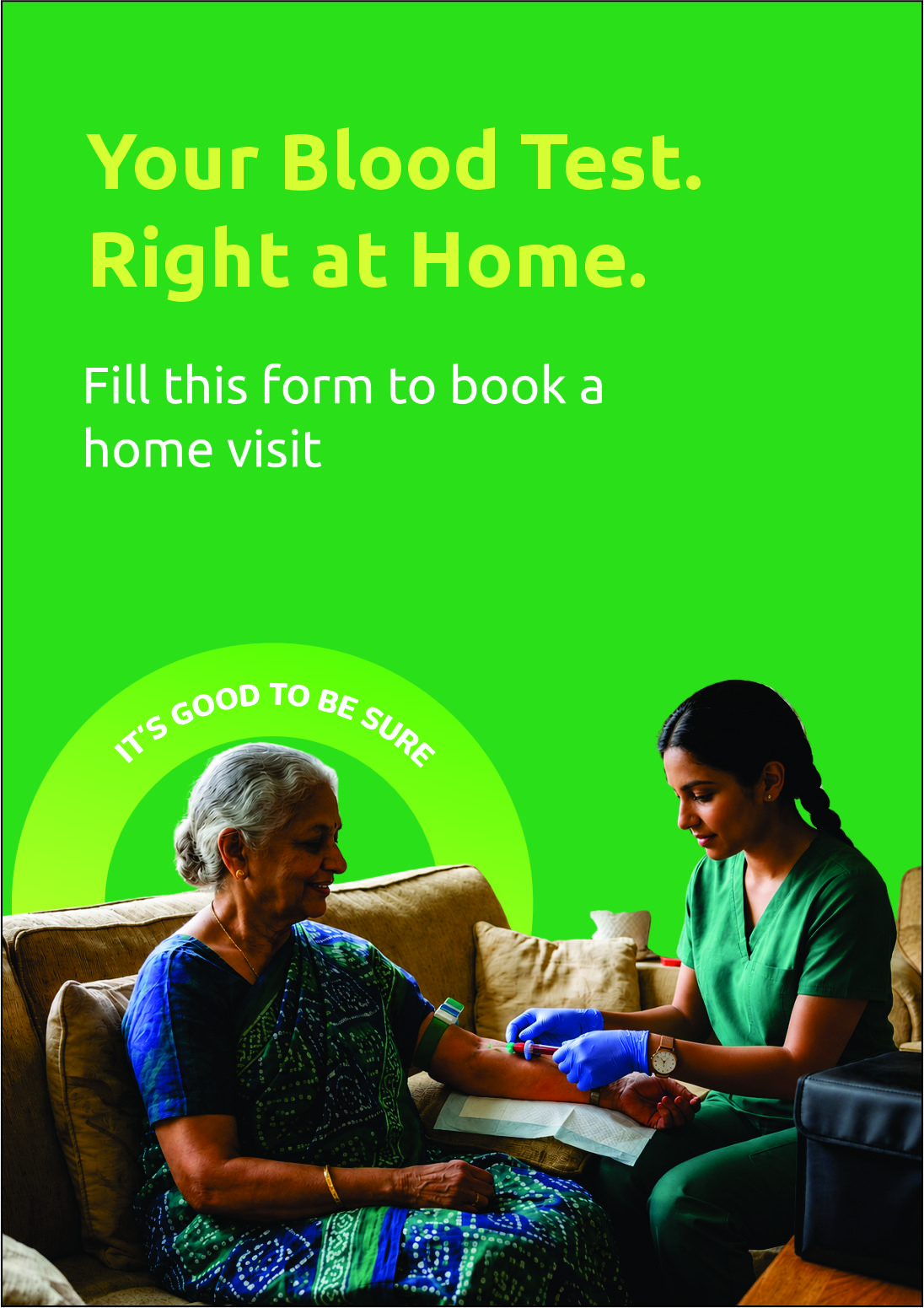
Yes, home blood sample collection is available for the IgE test. Metropolis Healthcare's trained phlebotomists visit your home at your preferred time, ensuring safe and hygienic sample collection. This convenient service eliminates the need to travel to a pathology lab, making allergy testing accessible and stress-free.
How Long Does It Take to Get an IgE Test Report?
Reports are usually available within 6 hours once the sample reaches the lab.
Note: Reporting time and cost may vary depending on your location.
Where Can I See or Get the IgE Test Results?
Test results from Metropolis Healthcare can be accessed through multiple convenient channels. You can log in to the Metropolis website using your credentials or use the Metropolis Healthcare App to view and download your reports. Additionally, test reports are sent via email or WhatsApp, and you also have the option to collect a physical copy directly from the lab.
Interpreting IgE Test Results
What Your IgE Test Results May Indicate
The following table shows what your IgE test values typically mean for your health:
|
Parameter
|
Normal Range
|
High Values May Indicate
|
Low Values May Indicate
|
|
IgE Total antibody
|
0-100 IU/mL
|
Asthma, allergic conditions, parasitic infections, some cancers, and immunodeficiency disorders
|
Autoimmune disorders, certain immune system problems
|
Conditions that May Affect IgE Test Accuracy
Several factors can influence your IgE test results and should be discussed with your healthcare provider:
- High-dose biotin supplements (more than 5 mg per day) can interfere with test results.
- Recent infections or illnesses may temporarily elevate IgE levels.
- Certain medications might affect immune system responses.
- Stress or physical trauma can influence antibody production.
- IgE levels naturally vary with age.
- Seasonal variations may affect results in people with environmental allergies.
How Is an IgE Test Done?
The IgE test follows a straightforward blood collection process that takes just a few minutes:
- Preparation: The healthcare professional cleans your arm with an antiseptic solution.
- Vein location: An elastic band is tied around your upper arm to make the veins more visible.
- Sample collection: A small needle is inserted into a vein to collect blood in a special tube.
- Processing: The blood sample is sent to our NABL- & CAP-accredited laboratory.
- Analysis: Laboratory technicians use the electrochemiluminescence immunoassay (ECLIA) method to measure IgE levels.
- Quality check: Results undergo thorough verification before being released.
How Should You Prepare for an IgE Test?
Preparing for your IgE test is simple and requires minimal steps:
- No fasting required; you can eat and drink normally before the test.
- Avoid high-dose biotin supplements (more than 5 mg daily) for at least 8 hours before collection.
- Continue regular medications unless specifically advised otherwise by your doctor.
- Stay normally hydrated by drinking adequate water.
- Inform your healthcare provider about all medications and supplements you are taking.
- Wear comfortable clothing with sleeves that can be easily rolled up.
Diseases that an IgE Test Can Help Detect
The IgE test assists in diagnosing and monitoring various health conditions related to allergic responses:
- Allergic asthma and breathing difficulties
- Allergic rhinitis (hay fever) and seasonal allergies
- Atopic dermatitis (eczema) and skin allergies
- Food allergies and dietary sensitivities
- Environmental allergies to dust, pollen, or pet dander
- Allergic bronchopulmonary aspergillosis (lung condition)
- Parasitic infections in certain cases
- Primary immunodeficiency disorders
IgE Tests/Packages that You Can Book With Metropolis Healthcare
The following table shows comprehensive allergy testing options available at Metropolis Healthcare:




 App Store
 Google Play


 Upload Prescription

 Mumbai
 Pune
Pune
 Bangalore
 Surat
Surat
 Delhi
Delhi
 Chennai