

 App Store
 Google Play







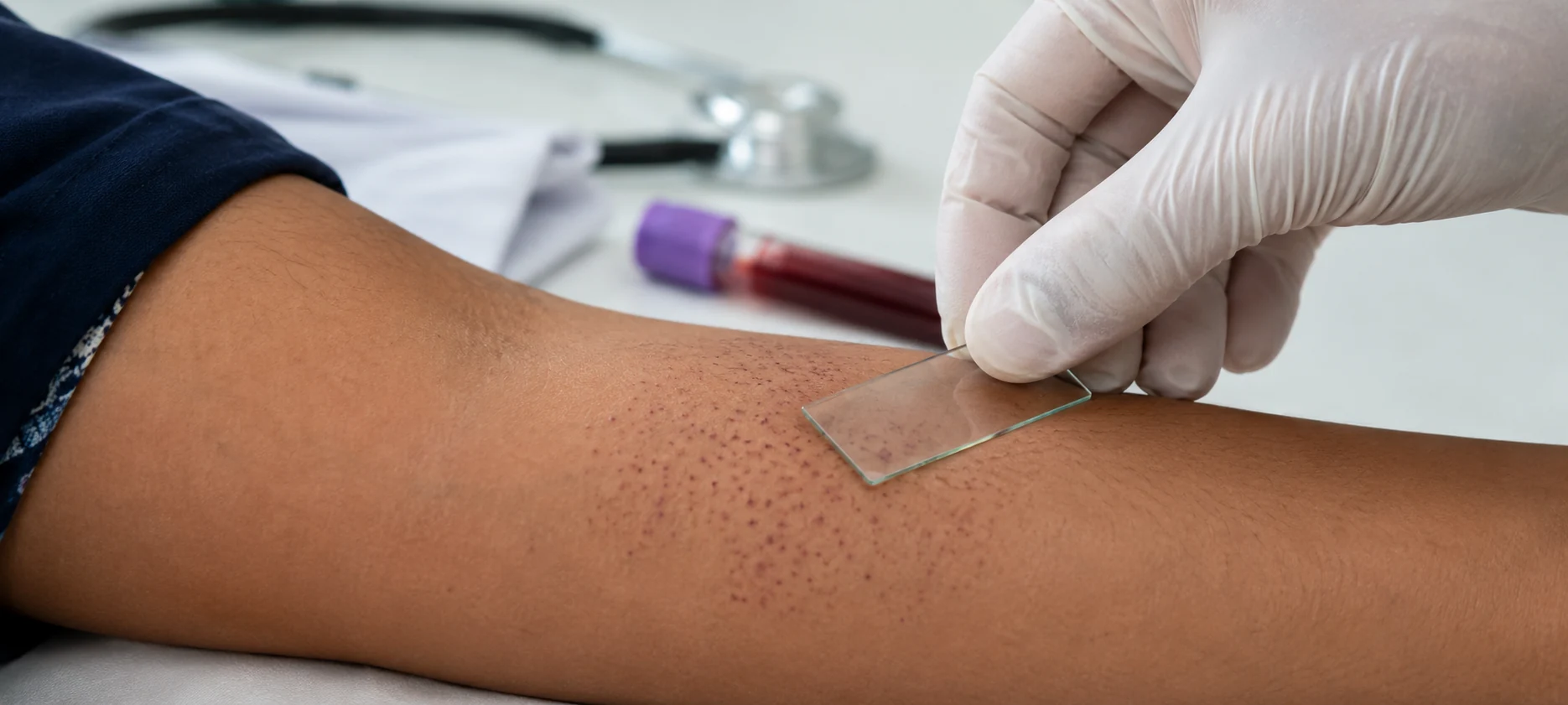
Petechiae are tiny red, purple, or brown spots that appear on your skin or mucous membranes. They form when small blood vessels called capillaries break and leak blood into the skin. This is why they are often described as pinpoint spots of bleeding under skin.
In many cases, petechiae are linked to minor strain or injury. However, they can also point to infections, low platelet count, clotting problems, medicine reactions, or other health conditions. Understanding what petechiae look like, when to seek help, and which tests may be needed can help you take the right next step with confidence.
What Are Petechiae?
Petechiae are not a disease by themselves. They are a visible sign that small blood vessels have leaked a tiny amount of blood under the skin. Each spot is usually about 1 to 2 mm wide.
If you are wondering what is petechiae, it is best understood as a symptom rather than a skin rash. Petechiae may look like a rash, but they do not usually itch, hurt, or rise above the skin. They also do not fade when pressed.
Petechiae can appear anywhere on your body. Common areas include your legs, arms, stomach, face, eyelids, and inside the mouth.
What Do Petechiae Look Like?
Petechiae usually appear as small, flat dots. They may look red, purple, reddish brown, or dark brown, depending on your skin tone and how long they have been present.
A simple way to check them is the pressure test. When you press a clear glass or finger on petechiae, the spots usually do not turn white or fade. This is called non-blanching. A usual rash often becomes lighter when pressed, while petechiae stay the same colour.
Petechiae may appear in clusters. They may be limited to one area, such as the face after forceful coughing or vomiting. They may also spread across larger areas when linked to an underlying condition.
Common Causes Of Petechiae
Petechiae causes can range from harmless to medically significant. Common causes include:
- Straining: Severe coughing, vomiting, childbirth, heavy lifting, or intense crying can increase pressure in tiny blood vessels.
- Minor skin injury: Friction from tight clothing, pressure, injury, or sunburn may cause local petechiae.
- Low platelet count: Platelets help your blood clot. Low platelets, also called thrombocytopenia, can cause petechiae.
- Infections: Some viral and bacterial infections may lead to petechiae.
- Medicine reactions: Blood thinners, some antibiotics, and certain other medicines may affect bleeding or clotting.
- Vitamin deficiency: Severe vitamin C deficiency may weaken blood vessels.
- Blood or bone marrow conditions: Rarely, petechiae can be linked to serious blood disorders.
- Vasculitis: Inflammation of blood vessels can cause spots, pain, fever, or other symptoms.
Symptoms Associated With Petechiae
Petechiae symptoms mainly involve visible skin spots. You may also notice other symptoms depending on the cause, such as:
- Tiny red, purple, or brown flat dots on the skin
- Spots that do not fade when pressed
- Easy bruising
- Bleeding gums or nosebleeds
- Blood in urine or stool
- Heavy menstrual bleeding
- Fever, sore throat, or body ache
- Fatigue or weakness
- Yellowing of the eyes or skin in some conditions
- Thrombocytopenia symptoms such as bruising, prolonged bleeding, and pinpoint skin spots
Diagnostic Tests For Petechiae
Your doctor may suggest tests based on your symptoms, medical history, and examination. These may include:
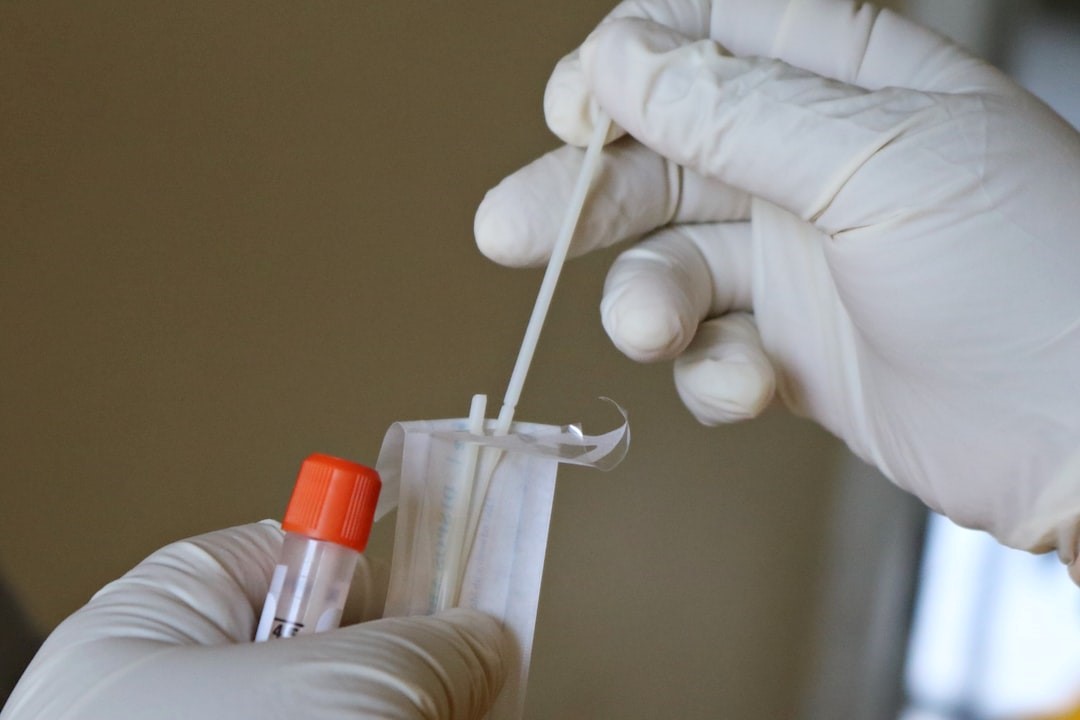
- CBC test: Helps measure haemoglobin, white blood cells, and platelet count.
- Platelet count: Checks whether low platelets may be causing petechiae.
- Peripheral blood smear: Looks at the shape and number of blood cells under a microscope.
- Coagulation tests: PT, INR, and aPTT may help assess blood clotting.
- Liver function tests: Liver health can affect clotting factors.
- Kidney function tests: These may be advised when systemic illness is suspected.
- Infection tests: Blood culture, viral markers, or other tests may be needed if infection is likely.
- Vitamin levels: Your doctor may check for deficiencies if your diet or symptoms suggest it.
How Petechiae Are Diagnosed
Petechiae are usually diagnosed through a physical examination. Your doctor will look at the size, colour, pattern, and location of the spots. They may ask when the spots appeared, whether they are spreading, and whether you have fever, bleeding, bruising, recent illness, new medicines, or injury.
The diagnosis is not only about confirming petechiae. It is about finding the reason behind them. This is why blood tests are often useful, especially when the spots are widespread, unexplained, or linked to other symptoms.
Treatment Options For Petechiae
Petechiae treatment depends on the underlying cause. There is no single medicine that removes petechiae in every case.
If petechiae are due to straining or minor injury, they may fade on their own as the skin heals. You may only need rest, observation, and avoiding further pressure on the area.
If an infection is the cause, your doctor may prescribe antibiotics, antiviral care, or supportive treatment depending on the type of infection.
If low platelets or a clotting disorder is involved, treatment may focus on improving platelet levels, managing bleeding risk, or treating the condition that caused it.
If a medicine is suspected, your doctor may review your prescriptions. Do not stop blood thinners, antibiotics, or other medicines on your own.
If vitamin deficiency is present, your doctor may recommend dietary changes or supplements.
Home Care And Precautions
Home care can support recovery when petechiae are mild and your doctor has ruled out serious causes. You can:
- Rest and avoid heavy exertion for a short period
- Use a cold compress for local skin injury
- Drink enough fluids
- Avoid scratching or rubbing the affected area
- Avoid tight clothing over the spots
- Avoid aspirin or painkillers that increase bleeding risk unless prescribed
- Monitor whether the spots are fading, spreading, or returning
- Keep a note of new medicines, infections, or injuries
Complications Of Underlying Conditions
Petechiae themselves are small spots, but the cause behind them may need attention. Possible complications of underlying conditions include:
- Worsening bleeding if platelet levels are very low
- Anaemia due to repeated or heavy bleeding
- Severe infection if fever and illness are present
- Internal bleeding in rare serious conditions
- Ongoing bruising or gum bleeding
- Delayed treatment of blood or immune disorders
When To See A Doctor
See a doctor if petechiae appear suddenly, spread quickly, or cover large areas. You should also seek medical advice if you have fever, breathlessness, confusion, dizziness, severe headache, neck stiffness, unexplained bruising, nosebleeds, gum bleeding, blood in urine or stool, or heavy menstrual bleeding.
For children, sudden petechiae with fever should be assessed promptly. While many causes are manageable, early evaluation helps identify the right care path.
Key Takeaways
- Petechiae are tiny, flat spots caused by bleeding under skin.
- Petechiae do not fade when pressed.
- Mild petechiae can occur after coughing, vomiting, pressure, or minor injury.
- Petechiae can also indicate low platelets, infection, clotting problems, medicine reactions, or blood disorders.
- A CBC test and platelet count are often useful first tests.
- Petechiae treatment depends on the cause.
- Do not ignore petechiae that spread, recur, or appear with fever or bleeding.
- Preventive health screening can help you stay aware of important blood and wellness markers.
Conclusion
Petechiae can look worrying, but they are often a clue rather than a diagnosis. Some cases are linked to simple strain or injury, while others need medical evaluation. The safest step is to observe the pattern, look for associated symptoms, and get tested when the cause is unclear.
Metropolis Healthcare can support you with reliable diagnostic testing, including CBC test, platelet count, full body checkups, speciality testing, and other health investigations. With expert pathologists, accurate reports, quick turnaround time, home sample collection, and easy booking through website, call, app, and WhatsApp, Metropolis helps you stay informed about your health with confidence.
FAQs About Petechiae
Is Petechiae Usually Harmless?
Petechiae can be harmless when they appear after clear strain, such as coughing, vomiting, or pressure from tight clothing. They often fade as the skin heals. However, petechiae can sometimes indicate infection, low platelets, or a clotting issue. If you cannot identify the cause, or if the spots spread, it is best to get medical advice.
What Vitamin Deficiency Causes Petechiae?
Severe vitamin C deficiency can cause petechiae because vitamin C supports healthy blood vessels and tissue repair. Deficiency is uncommon but may occur with poor nutrition, restricted diets, or certain health conditions. Your doctor can suggest the right tests and treatment if a deficiency is suspected.
How To Get Rid Of Petechiae Fast?
There is no safe shortcut to remove petechiae instantly. The right approach is to treat the cause. Petechiae from minor strain may fade on their own. Petechiae linked to infection, low platelets, or medicine effects need proper medical evaluation. Avoid self-medicating, especially with medicines that may increase bleeding risk.
Can Petechiae Go Away On Their Own?
Yes, petechiae can go away on their own when caused by minor strain or pressure. This may take a few days to two weeks. If petechiae do not improve, keep returning, or appear with fever, bruising, or bleeding, you should consult a doctor.
Are Petechiae A Sign Of Low Platelets?
Petechiae can be a sign of low platelets, also called thrombocytopenia. Platelets help your blood clot, so low levels can cause pinpoint skin spots, easy bruising, nosebleeds, or gum bleeding. A CBC test can help check your platelet count and guide the next steps.