

 App Store
 Google Play







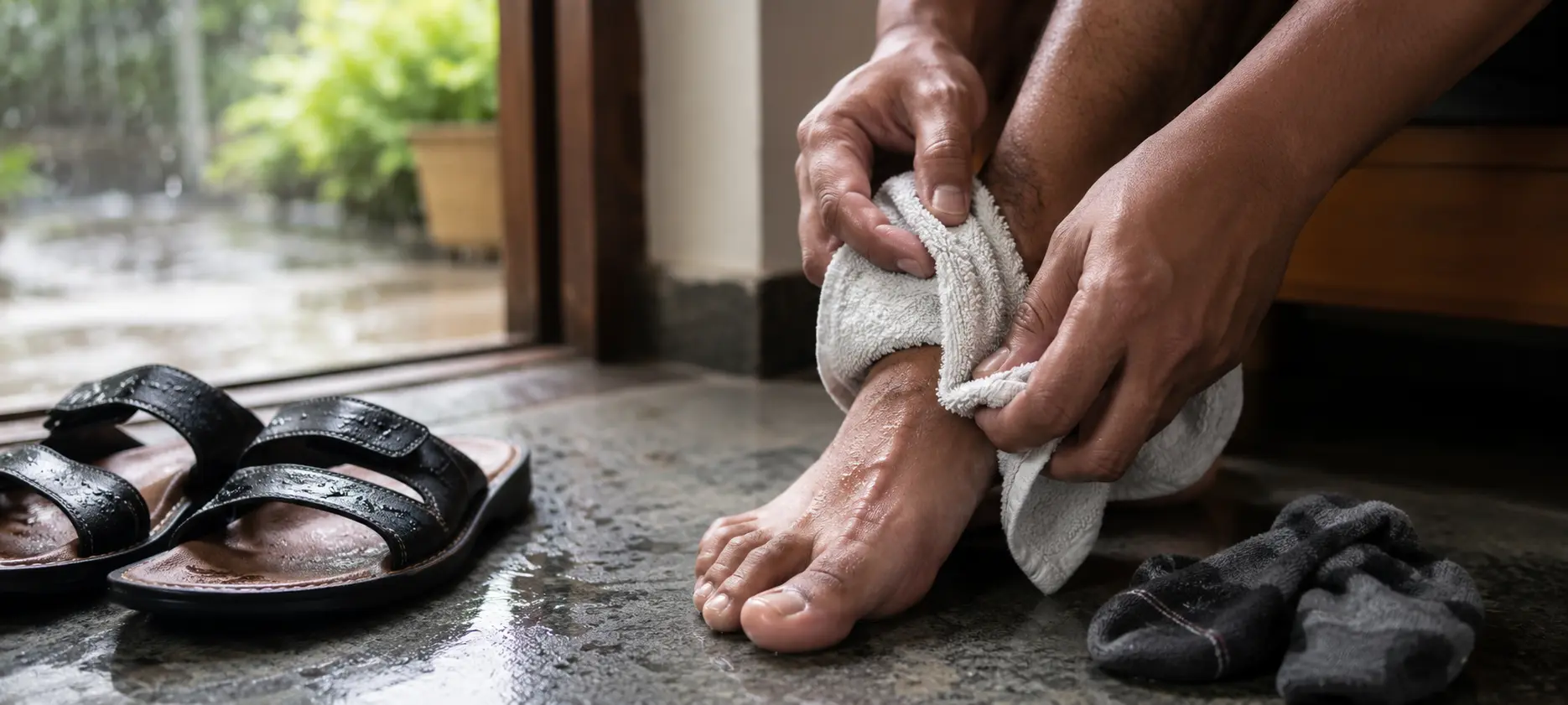
The rainy season offers relief from the summer heat, but it also brings higher humidity, damp clothes and frequent sweating. These conditions can keep your skin moist for long periods. This makes a fungal infection in monsoon more likely, especially in skin folds and between the toes.
Most superficial fungal infections are treatable. Simple habits such as drying your skin properly, changing wet clothes and avoiding shared towels can reduce your risk. Early diagnosis also helps prevent the infection from spreading or returning.
What Are Fungal Infections?
Fungal infections occur when certain fungi grow excessively on your skin, hair, nails or mucous membranes.
Many common skin infections are caused by dermatophytes. These fungi feed on keratin, a protein found in the outer layer of your skin, hair and nails. Yeasts such as Candida can also cause infections, particularly in warm and moist skin folds.
A fungal rash can resemble eczema, psoriasis, an allergic reaction or a bacterial infection. For this reason, you should avoid assuming that every itchy rash is fungal.
Why Do Fungal Infections Increase During Monsoon?
Fungi grow well in warm and moist environments. During monsoon, humidity slows the evaporation of sweat from your skin. Rainwater, damp clothes and wet footwear can add to this moisture.
The main skin fungal infection causes during the rainy season include:
- High humidity and persistent sweating
- Wearing wet or damp clothes for several hours
- Keeping your feet inside wet socks or closed shoes
- Poor ventilation around skin folds
- Wearing tight synthetic clothes
- Sharing towels, footwear or personal items
- Walking barefoot in wet communal areas
- Delayed treatment of an existing fungal infection
Sweat does not directly cause a fungal infection. However, trapped sweat creates an environment in which fungi can multiply more easily.
How Humidity And Moisture Promote Fungal Growth
Healthy skin acts as a protective barrier. When your skin remains wet for a long time, it can become soft and irritated. Friction from clothes or skin folds may then cause tiny breaks in the outer skin layer.
These changes make it easier for fungi to grow. Moisture is commonly trapped in the groin, underarms, under the breasts, between the toes and around the waist.
A foot fungal infection in rainy season is particularly common when your socks and shoes remain damp. Closed footwear creates a warm, dark and poorly ventilated space around your feet.
Common Types Of Fungal Infections Seen During Monsoon
Ringworm
Ringworm is a fungal infection, not a worm infestation. It often causes an itchy, scaly, circular or ring-shaped patch.
Ringworm in monsoon may spread more easily when your skin remains damp or when you share towels, bedding or clothing with an infected person.
Athlete's Foot
Athlete's foot affects the feet, particularly the skin between your toes. You may notice itching, peeling, scaling, burning or painful cracks.
Jock Itch
Jock itch affects the groin and inner thighs. It may cause an itchy, scaly rash that becomes worse with sweating and friction.
You can reduce the risk by keeping the groin dry and wearing clean, loose-fitting underclothes. The right jock itch treatment depends on an accurate diagnosis.
Candidal Skin Infection
Candida can grow excessively in moist skin folds. It may cause a bright or dark red, uncomfortable rash, sometimes with smaller spots around its edges.
Fungal Nail Infection
A fungal nail infection can make your nail thick, brittle, cracked or discoloured. Nail infections usually take longer to treat than fungal infections affecting only the skin.
Scalp Ringworm
Scalp ringworm can cause scaling, itching, broken hair or patches of hair loss. It is more common in children and requires medical treatment.
Common Symptoms Of Fungal Infections
Symptoms vary according to the type and location of the infection. Common signs include:
- Persistent itching
- A circular or spreading rash
- Scaly, flaky or peeling skin
- Red, brown, grey or darker patches
- A raised or clearly defined rash border
- Burning or soreness
- Cracks between the toes
- Soft, pale skin between the toes
- Small blisters
- Thick, brittle or discoloured nails
- Hair breakage or patchy hair loss on the scalp
Fungal rashes do not always look bright red, particularly on darker skin. The affected area may appear brown, grey, purple or darker than the surrounding skin.
Body Areas Most Commonly Affected During Monsoon
Monsoon fungal infections commonly affect areas where sweat and moisture collect, including:
- Between the toes
- Soles of the feet
- Groin and inner thighs
- Underarms
- Under the breasts
- Abdomen and waistline
- Buttocks
- Neck
- Scalp
- Fingernails and toenails
You may develop an infection in more than one area. For example, athlete's foot can spread to your hands, groin or nails when you scratch the affected skin and then touch another area.
How To Prevent Fungal Infections During Monsoon
Keep Your Skin Dry
Dry yourself thoroughly after bathing or getting wet in the rain. Pay attention to your toes, groin, underarms and other skin folds.
Use a separate clean towel for an infected area. Pat the skin dry rather than rubbing it harshly.
Change Wet Clothes Quickly
Remove wet clothes, socks and underclothes as soon as possible. Do not sit in rain-soaked or sweaty clothes.
Wash used clothes and allow them to dry completely before wearing them again.
Choose Breathable Clothing
Wear loose cotton or other breathable fabrics. Tight synthetic clothing can trap heat and sweat against your skin.
Change your clothes after exercise, travel or any activity that causes heavy sweating.
Keep Your Feet And Footwear Dry
Wash and dry your feet daily. Dry carefully between your toes.
Alternate your shoes so each pair has time to dry. Wear clean, moisture-wicking socks and change them when they become damp.
Avoid walking barefoot in communal showers, changing rooms, swimming pool areas and other wet public spaces.
Do Not Share Personal Items
Do not share:
- Towels
- Clothes
- Socks
- Footwear
- Combs
- Hairbrushes
- Razors
- Nail clippers
- Bedding
Clean shared gym mats and equipment before use. Wash your hands after touching an infected area.
Avoid Scratching
Scratching can injure your skin and spread the infection to another part of your body. Keep your nails short and speak to a doctor if the itching is difficult to manage.
Monsoon Hygiene Tips To Reduce Infection Risk
You do not need an aggressive skin care routine to prevent a fungal infection in rainy season. Gentle and consistent hygiene is usually more useful.
- Bathe daily and after heavy sweating.
- Use a mild cleanser that does not irritate your skin.
- Dry your towels fully after use.
- Keep bathrooms and changing areas clean and ventilated.
- Avoid applying heavy oils to sweaty skin folds.
- Do not wear unwashed clothes again.
- Wash infected clothing, towels and bedding separately when advised.
- Check pets if they have circular bald patches or scaly skin.
- Avoid using another person's prescribed cream.
Antifungal soaps, powders and home remedies should not be treated as substitutes for proper diagnosis and treatment. Some products may irritate your skin or temporarily hide the symptoms.
Which Tests Help Diagnose Fungal Infections?
Many fungal skin infections can be suspected from their appearance. However, testing may be needed when the diagnosis is uncertain, the rash is widespread or treatment has not worked.
Potassium Hydroxide Test
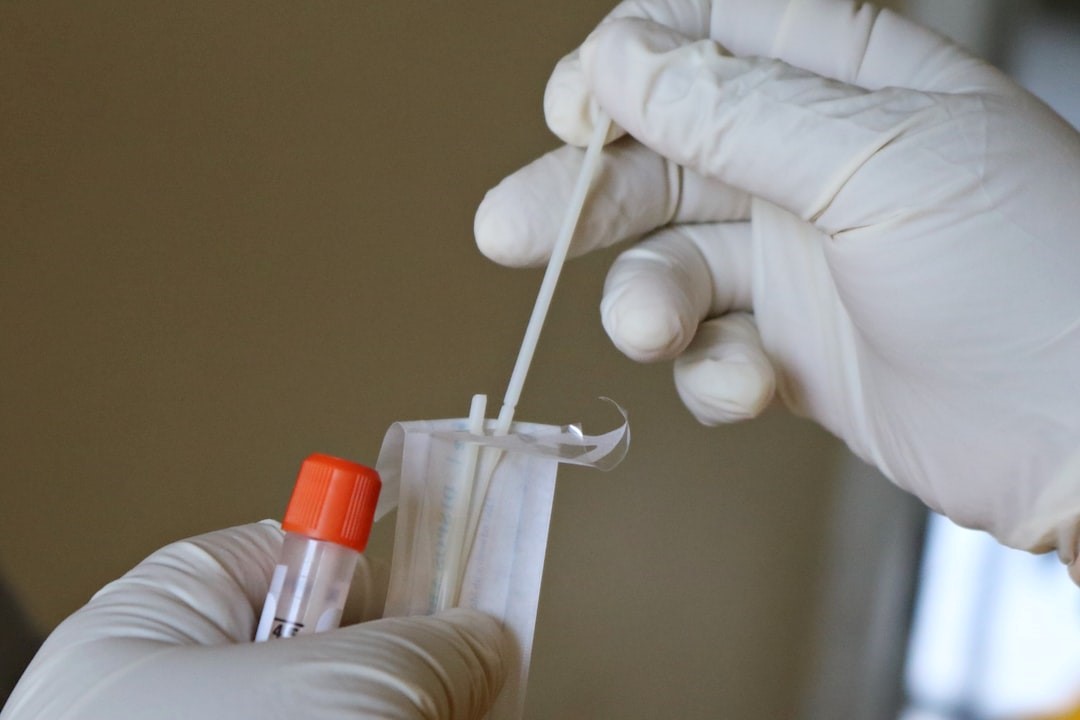
Your doctor may gently scrape a small amount of skin from the edge of the rash. The sample is examined under a microscope after adding potassium hydroxide, commonly called KOH. This can help detect fungal elements.
Fungal Culture
A fungal culture may be performed using skin scrapings, hair or nail material. It can help identify the fungus, especially in persistent, recurrent or difficult-to-treat infections.
Nail Clipping Or Hair Sample
If your nail or scalp is affected, the laboratory may examine nail clippings, debris from under the nail or affected hair.
Skin Biopsy
A skin biopsy is rarely needed. Your doctor may consider it when the rash is unusual or another condition is suspected.
Routine blood tests do not usually diagnose superficial fungal skin infections. However, recurrent or severe infections may prompt your doctor to check for contributing conditions such as diabetes or an immune system disorder.
How Fungal Infections Are Diagnosed
Your doctor will ask when the rash began, where it first appeared and whether anyone in your home has similar symptoms. You may also be asked about pets, shared facilities, previous medicines and long-term health conditions.
The skin will then be examined. Your doctor may check other areas because an infection can affect more than one location.
Testing is valuable because ringworm and other fungal infections can resemble eczema, psoriasis and several other skin conditions. An accurate diagnosis helps you receive suitable treatment.
Treatment Options For Fungal Infections
Monsoon fungal infection treatment depends on the type, location and severity of the infection.
Topical Antifungal Medicines
A localised fungal skin infection may be treated with an antifungal cream, lotion or gel. Use it exactly as advised and complete the full course, even if the itching improves earlier.
Oral Antifungal Medicines
Prescription tablets may be needed for infections affecting the scalp or nails. They may also be required for extensive, recurring or treatment-resistant infections.
Oral antifungals can interact with other medicines and may not be suitable for everyone. Do not take them without medical supervision.
Supportive Skin Care
Keep the affected skin clean and dry. Wear loose clothing and avoid friction over the rash. Treat all affected areas as instructed to reduce the risk of reinfection.
Avoid Steroid Combination Creams
Do not use a steroid cream or a mixed antifungal, antibiotic and steroid cream unless a qualified doctor has prescribed it after examining you.
Steroids can change the appearance of ringworm, allow it to spread and make the infection more difficult to treat.
Avoid Unproven Home Remedies
Vinegar, undiluted essential oils and other household remedies can irritate or burn your skin. They may also delay proper treatment.
Can Fungal Infections Spread To Others?
Some fungal infections, particularly ringworm, are contagious. They can spread through:
- Direct skin contact
- Contact with an infected animal
- Shared towels, clothes or bedding
- Shared combs, razors or footwear
- Contaminated floors and surfaces
- Transfer from one area of your body to another
Avoid close contact with the affected area until treatment has started and follow your doctor's advice. Family members with similar symptoms should also seek medical guidance.
When Should You Consult A Doctor?
Consult a doctor or dermatologist if:
- You are unsure whether the rash is fungal.
- The rash is spreading rapidly.
- Your face, scalp, beard or nails are affected.
- The skin is painful, swollen, warm or producing pus.
- You have fever or feel unwell.
- The infection keeps returning.
- Treatment has not helped.
- You have diabetes or reduced immunity.
- You are pregnant or breastfeeding.
- The patient is an infant or young child.
- You have already used a steroid-containing cream.
Early medical care can help confirm the diagnosis and reduce the risk of prolonged or recurrent infection.
Key Takeaways
- Warm weather, humidity and damp skin create favourable conditions for monsoon fungal infections.
- Ringworm, athlete's foot, jock itch and fungal nail infections are common during the rainy season.
- Keep your skin, clothes, socks and footwear clean and dry.
- Do not share towels, clothes, footwear or grooming tools.
- Do not self-treat a suspected fungal infection with steroid combination creams.
- Laboratory testing may help when the diagnosis is uncertain or the infection keeps returning.
- See a doctor if the rash spreads, affects your scalp or nails, or does not improve.
Healthy skin habits can protect you during the rainy season. Recurrent fungal infections may sometimes be linked to health conditions such as poorly controlled blood glucose. Your doctor can advise whether further evaluation is appropriate.
Metropolis Healthcare supports preventive and diagnostic care with more than 4,000 tests, speciality testing, accurate results and reliable reports. You can conveniently book a blood test at home through the website, app, call or WhatsApp. Its strong home collection network, with 10,000 touchpoints, can make ongoing health monitoring simpler. Routine screening or a suitable full body checkup can also help you stay informed about important health markers.
FAQs About Fungal Infections During Monsoon
Can Fungal Infections Spread From Person To Person?
Yes. Ringworm and certain other fungal infections can spread through direct skin contact or through contaminated towels, clothes, bedding, footwear and surfaces.
Who Is At Higher Risk Of Fungal Infections In Monsoon?
Your risk may be higher if you sweat heavily, wear damp or tight clothing, have diabetes, have reduced immunity or frequently use shared changing rooms and showers. Obesity can also increase moisture and friction within skin folds.
Why Do Fungi Appear Suddenly In Rainy Season?
High humidity, sweating, damp clothes and wet footwear keep your skin moist. These conditions allow fungi that are already present in the environment to grow more easily.
How Can You Prevent A Foot Fungal Infection In Rainy Season?
Keep your feet dry, change wet socks promptly, alternate footwear and dry between your toes after bathing. Wear slippers in communal wet areas and avoid sharing shoes or socks.
Is Ringworm Caused By A Worm?
No. Ringworm is caused by dermatophyte fungi. Its name comes from the circular or ring-like appearance of the rash.
Can You Use Steroid Cream For An Itchy Fungal Rash?
You should not use a steroid or combination cream unless it has been prescribed after a proper examination. Steroids can mask the rash, worsen ringworm and make treatment more difficult.
How Long Does A Fungal Infection Take To Clear?
The time varies according to the infection and the affected area. Skin infections may improve within a few weeks with appropriate treatment. Scalp and nail infections often require longer treatment. Complete the prescribed course.
Are Blood Tests Needed For Fungal Skin Infections?
Routine blood tests do not usually confirm a superficial fungal skin infection. A skin scraping, nail sample or fungal culture may be more useful. Blood tests may be advised when recurrent infections raise concern about diabetes or another underlying condition.
References
- Centers for Disease Control and Prevention. Clinical Overview of Ringworm. National Center for Emerging and Zoonotic Infectious Diseases; 2024.
- Rengasamy M, Shenoy MM, Dogra S, Asokan N, Khurana A, Poojary S, et al. Indian Association of Dermatologists, Venereologists and Leprologists Task Force Against Recalcitrant Tinea Consensus on the Management of Glabrous Tinea. Indian Dermatol Online J. 2020;11(4):502-519. PMID: 32832435.
- Das S, Bandyopadhyay S, Sawant S, Chaudhuri S; Dermatophytosis Research Group. The epidemiological and mycological profile of superficial mycoses in India from 2015 to 2021: A systematic review. Indian J Public Health. 2023;67(1):123-135. PMID: 37039217.
- Sharma B, Nonzom S. Superficial mycoses, a matter of concern: Global and Indian scenario, an updated analysis. Mycoses. 2021;64(8):890-908. PMID: 33665915.
- American Academy of Dermatology Association. Ringworm: Diagnosis and Treatment. Accessed 20 July 2026.