What Does the Sodium Test Measure?
The sodium test provides valuable information about your body's electrolyte balance by measuring:
• The concentration of sodium in your blood serum
• Your body's ability to maintain proper fluid balance
• How well your kidneys are regulating sodium levels
• Whether you have an adequate hydration status
• The functioning of your heart and nervous system
Sodium Test: Who Needs It and Why It's Done
What Symptoms May Call for a Sodium Test?
Your doctor may recommend a sodium test if you experience symptoms that suggest a sodium imbalance:
• Nausea and vomiting
• Headache and confusion
• Fatigue or extreme tiredness
• Muscle weakness, spasms, or cramps
• Excessive thirst and dry mouth
• Restlessness and irritability
• Infrequent urination
• Muscle twitching
Who Should Get a Sodium Test?
Several groups of people may benefit from regular sodium testing:
• Patients experiencing symptoms of electrolyte imbalance.
• People with chronic kidney disease or heart failure.
• Individuals with uncontrolled diabetes or liver disease.
• Patients taking medications like diuretics or steroids.
• Hospitalised patients receiving IV fluids.
• Anyone undergoing routine health checkups or a full body checkup
• People with adrenal gland disorders.
Why Is a Sodium Test Done?
A sodium test helps doctors diagnose electrolyte imbalances and monitor treatment effectiveness for conditions affecting your body's fluid balance.
Importance of a Sodium Test
The sodium test is clinically important because it provides crucial insights into your overall health. Since your body maintains sodium levels within a very narrow range, even small changes can signal significant health conditions.
This test helps healthcare providers diagnose the cause of symptoms like confusion, muscle weakness, or nausea. It also helps monitor patients with known kidney, heart, or liver conditions, ensuring their treatments are working effectively and preventing serious health risks or complications.
Sodium Test Booking & Reports – Metropolis Healthcare India
How to Book a Sodium Test?
- Simple Online Booking
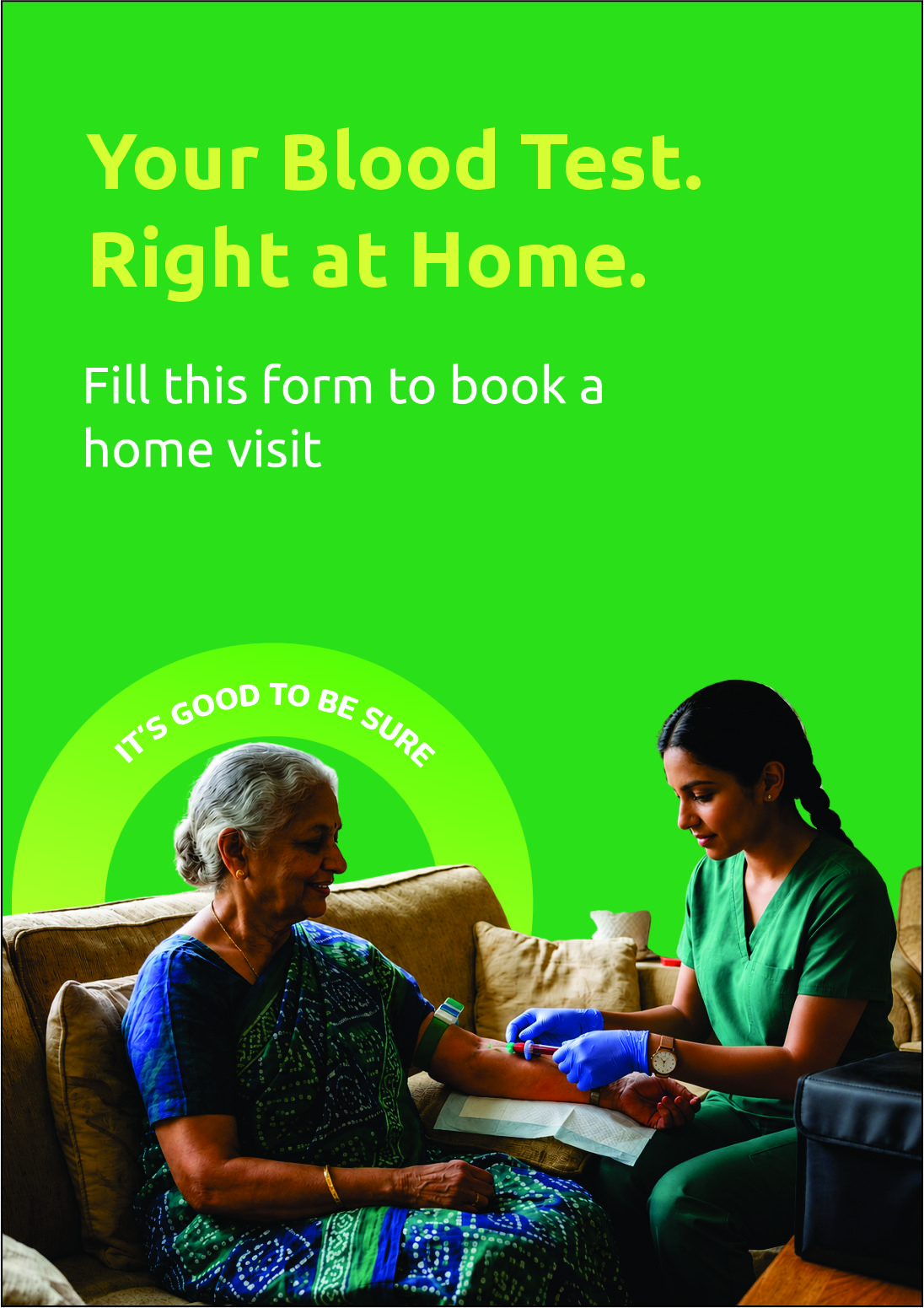
Booking can be done through the Metropolis Healthcare App or website. Select the 'Sodium Test', choose a convenient time slot, and provide your address for a blood test at home. You can also visit the nearest Metropolis Lab if you prefer to give the sample directly at the lab.
- Safe Home Sample Collection
Our trained phlebotomists ensure the timely collection of your sample while strictly following all safety and hygiene protocols.
- Sample Tracking Updates
Stay informed at every step. From collection to testing, you can track your sample directly through the Metropolis Healthcare website.
- Accurate Laboratory Testing
Your sample is processed at our NABL- & CAP-accredited laboratories, where expert technicians ensure accurate results.
- Quick & Easy Reports
Receive your test reports promptly via email, WhatsApp, or by downloading them directly from the Metropolis Healthcare website or app.
Is Home Sample Collection for the Sodium Test Available Near You?
Yes, home blood sample collection for sodium testing is widely available across India through Metropolis Healthcare. Our trained phlebotomists follow strict safety protocols while collecting your sample in the comfort of your home. Our commitment to accessible, reliable testing means you can prioritise your health without disrupting your daily routine.
How Long Does It Take to Get a Sodium Test Report?
Reports are usually available within 4 hours once the sample reaches the pathology lab.
Note: Reporting time may vary depending on your location
Is Home Sample Collection for the Sodium Test Available Near You?
Test results from Metropolis Healthcare can be accessed through multiple convenient channels. You can log in to the Metropolis website using your credentials or use the Metropolis Healthcare App to view and download your reports. Additionally, test reports are sent via email or WhatsApp, and you also have the option to collect a physical copy directly from the lab.
Interpreting Sodium Test Results
What Your Sodium Test Results May Indicate
The table below shows the normal sodium range and what abnormal values might suggest:
|
Parameter
|
Normal Range
|
High Values May Indicate
|
Low Values May Indicate
|
|
Sodium (Serum)
|
136-145 mmol/L
|
Excessive fluid loss, high salt intake, and increased kidney reabsorption
|
Prolonged vomiting or diarrhoea, diminished kidney reabsorption, excessive fluid retention
|
Conditions that May Affect Sodium Test Accuracy
Several factors can influence your sodium test results and should be discussed with your healthcare provider:
• Certain medications, particularly diuretics, steroids, and some antidepressants, can affect sodium levels.
• Kidney disease may alter how your body processes sodium.
• Dehydration can concentrate sodium in your blood, potentially causing elevated readings.
• Excessive fluid intake may dilute sodium levels.
• Recent illness, stress, or significant dietary changes may impact results.
• Heart failure or liver disease can affect fluid balance and sodium regulation.
How Is a Sodium Test Done?
The sodium test procedure is simple and takes only a few minutes:
• A healthcare professional ties a band around your upper arm to make the vein more visible.
• The area is cleaned with an antiseptic to prevent infection.
• A small needle is inserted into the vein to collect blood.
• About 3 ml of blood is drawn into a special gel vacutainer.
• The needle is removed, and a bandage is applied to the site.
• Your blood sample is sent to the laboratory for analysis using an ion-selective electrode method.
How Should You Prepare for a Sodium Test?
Sodium test preparation is straightforward and requires minimal effort:
• No fasting required; you can eat and drink normally before the test.
• Continue regular medications unless your doctor advises otherwise.
• Drink water normally, as dehydration can affect results.
• Inform your doctor about all medications, supplements, and health conditions.
• Wear comfortable clothing with sleeves that can be easily rolled up.
Diseases that a Sodium Test Can Help Detect
A sodium test can help identify several health conditions that affect electrolyte balance:
• Kidney disease and kidney dysfunction
• Heart failure and cardiovascular conditions
• Liver disease and cirrhosis
• Dehydration and fluid imbalances
• Adrenal gland disorders
• Diabetes complications affecting fluid balance
• Neurological symptoms related to electrolyte disturbances
Sodium Tests/Packages that You Can Book With Metropolis Healthcare
The following tests and packages are available to provide comprehensive health insights:




 App Store
 Google Play

 Upload Prescription

 Mumbai
 Chennai
 Pune
Pune
 Bengaluru
 Surat
Surat
 Delhi
Delhi