

 App Store
 Google Play








Melena is the medical term for black stool that looks tarry, sticky, and often has a strong, unpleasant smell. It usually means there is digested blood in stool, most often due to bleeding in the upper part of the digestive tract.
Seeing black stool can feel worrying. In some cases, it may be due to iron tablets, certain medicines, or dark foods. But true melena needs prompt medical attention because it can be a sign of gastrointestinal bleeding stool.
What Is Melena?
Melena happens when blood enters your digestive tract and changes colour as it passes through your stomach and intestines. Stomach acid, digestive enzymes, and bacteria break down the blood. This process turns the stool black, tarry, and foul-smelling.
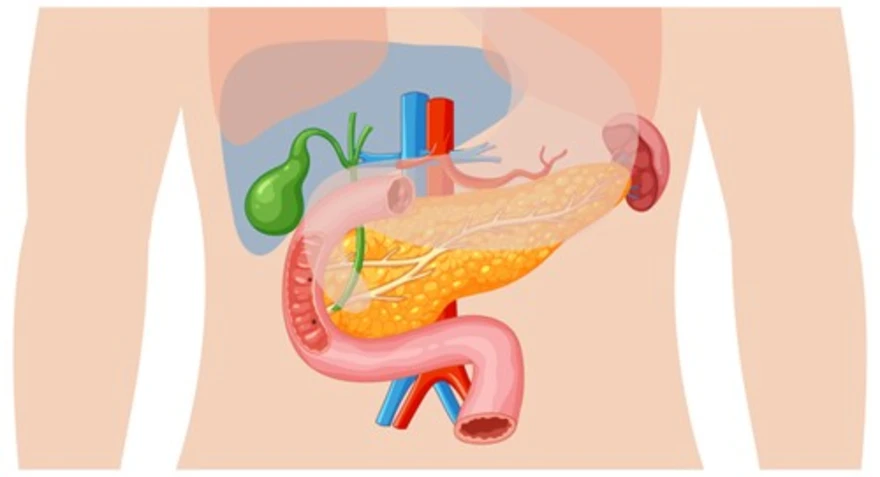
Melena is not a disease by itself. It is a symptom of an underlying problem. The bleeding usually starts in the oesophagus, stomach, or the first part of the small intestine, called the duodenum.
Not every black stool is melena. Some foods, supplements, and medicines can also darken stool. A doctor can help confirm whether the black stool contains blood.
What Does Melena Look Like?
Melena usually looks very dark black. It may appear shiny, sticky, tar-like, or thick. It often has a strong smell that is different from usual stool.
Black stool caused by food or medicines may not have the same tarry texture or strong smell. For example, iron supplements, bismuth-containing medicines, activated charcoal, black liquorice, and blueberries may make stool look dark.
If you are unsure whether your black stool is melena, do not guess. It is safer to speak to a doctor, especially if the colour change is sudden or repeated.
Common Causes Of Melena
Melena causes usually involve bleeding in the upper gastrointestinal tract. Common causes include:
- Peptic ulcers: These are sores in the stomach or duodenum. They may be linked to Helicobacter pylori infection or long-term use of pain relievers such as aspirin or ibuprofen.
- Gastritis: Severe inflammation of the stomach lining can cause bleeding.
- Oesophagitis: Inflammation of the oesophagus can sometimes bleed.
- Oesophageal varices: These are swollen veins in the oesophagus, often linked to liver disease.
- Mallory-Weiss tear: Forceful vomiting or retching can tear the lining near the oesophagus and stomach.
- Gastrointestinal tumours: Growths in the stomach, oesophagus, or intestine may sometimes bleed.
- Trauma or injury: Injury to the digestive tract can cause bleeding.
- Medicines: Blood thinners, aspirin, and some anti-inflammatory medicines may increase bleeding risk.
Melena may also occur if swallowed blood passes through the digestive tract, such as after a nosebleed. Rarely, bleeding from the lower small intestine or right side of the colon may also cause melena if the stool moves slowly.
Symptoms Associated With Melena
Melena symptoms may depend on the amount of bleeding and the cause. You may notice:
- Black stool that looks tarry or sticky
- Strong, foul-smelling stool
- Weakness
- Dizziness or light-headedness
- Tiredness
- Pale skin
- Shortness of breath
- Fast heartbeat
- Abdominal pain
- Nausea or vomiting
- Vomit that looks like blood or coffee grounds
- Reduced appetite
Sometimes melena can occur without pain. A painless black stool can still be serious and should be checked.
When To Seek Immediate Medical Help
Seek immediate medical help if you notice melena with dizziness, fainting, weakness, breathlessness, vomiting blood, severe abdominal pain, confusion, or a fast heartbeat.
You should also go to urgent care if black stool continues for more than one bowel movement or if you have a history of ulcers, liver disease, cancer, blood thinner use, or heavy painkiller use.
Melena can mean active or recent internal bleeding. Early care helps prevent severe blood loss and other complications.
Diagnostic Tests For Melena
Your doctor may advise tests to confirm melena and find the cause. These may include:
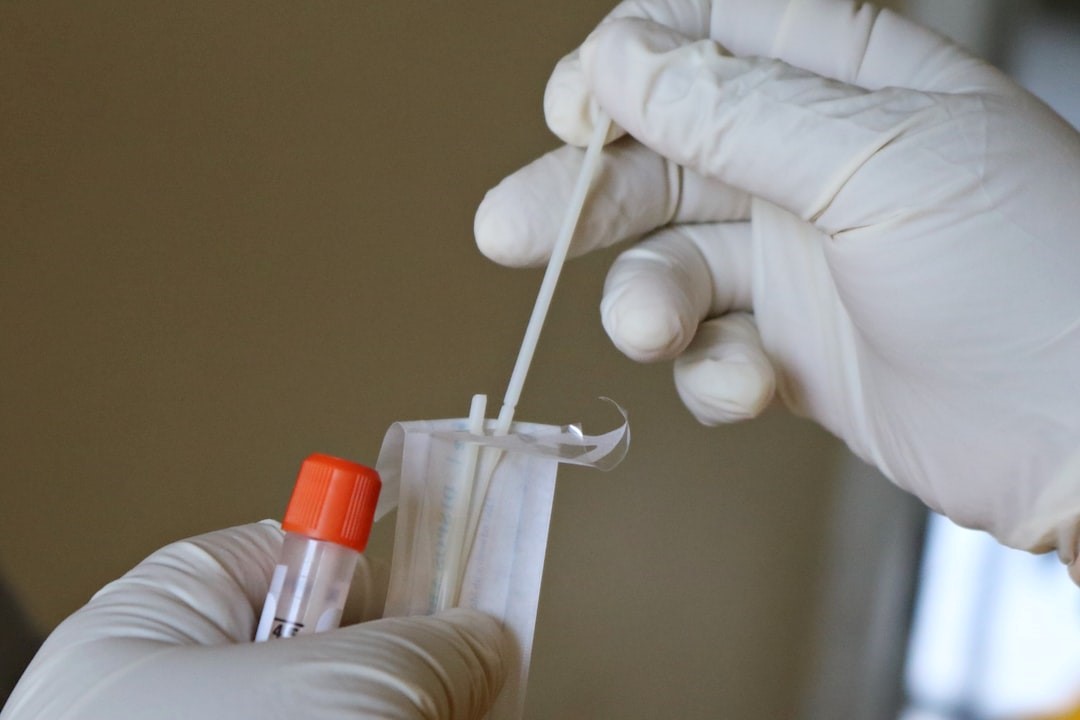
- Stool test: This helps detect hidden blood in stool.
- CBC test: A complete blood count checks for anaemia and signs of blood loss.
- Liver function tests: These may be advised if liver disease or varices are suspected.
- Kidney function and electrolyte tests: These help assess overall health during bleeding.
- Upper endoscopy: A thin tube with a camera is used to look inside the oesophagus, stomach, and duodenum.
- Colonoscopy: This may be advised if the bleeding source is not found in the upper digestive tract.
- CT scan or CT angiography: These tests can help locate active bleeding.
- Biopsy: A small tissue sample may be taken if an ulcer, growth, or abnormal area is seen.
Not everyone needs every test. Your doctor will choose based on your symptoms, examination, and health history.
How Melena Is Diagnosed
Diagnosis starts with your symptoms and medical history. Your doctor may ask when the black stool began, how often it occurred, what it looked like, and whether you have pain, vomiting, dizziness, or weight loss.
They may also ask about medicines such as aspirin, ibuprofen, steroids, blood thinners, iron tablets, and bismuth medicines. Your diet and recent illness may also be discussed.
A physical examination and tests help confirm whether the black stool is melena. Once blood is confirmed, the next step is to find where the bleeding started and why it happened.
Treatment Options For Melena
Melena treatment depends on the cause and the amount of bleeding.
Stabilising Blood Loss
If there is significant bleeding, treatment may begin with fluids through a vein. Some people may need a blood transfusion. Your blood pressure, heart rate, and oxygen levels may be monitored closely.
Stopping The Bleeding
An upper endoscopy can help locate the bleeding site. In some cases, the doctor can treat the bleeding during the same procedure. This may involve clipping a blood vessel, sealing it with heat, injecting medicine, or using a band.
Treating Ulcers And Acid Injury
If ulcers, gastritis, or oesophagitis are the cause, acid-reducing medicines such as proton pump inhibitors may be prescribed. If Helicobacter pylori infection is found, antibiotics may be needed.
Managing Varices
If melena is due to oesophageal varices, treatment may include medicines, endoscopic banding, or other specialist procedures. Liver health will also need evaluation.
Reviewing Medicines
Your doctor may review medicines that increase bleeding risk. Do not stop blood thinners, aspirin, or prescribed medicines on your own. Always follow medical advice.
Treating Tumours Or Growths
If a tumour or growth is found, treatment depends on the type, location, and stage. Further imaging, biopsy, surgery, chemotherapy, radiation therapy, or other specialist care may be advised.
Complications Of Untreated GI Bleeding
Untreated gastrointestinal bleeding can lead to:
- Anaemia
- Severe weakness
- Low blood pressure
- Shock
- Fainting
- Worsening of heart or kidney problems
- Repeated bleeding
- Delayed diagnosis of ulcers, liver disease, or cancer
Melena should not be ignored because the stool may stay black even after bleeding has slowed or stopped. You still need to know why it happened.
Prevention Tips For Gastrointestinal Health
You may not be able to prevent every cause of melena, but these steps can support digestive health:
- Avoid frequent self-use of pain relievers such as aspirin or ibuprofen
- Take prescribed medicines exactly as advised
- Limit alcohol, especially if you have liver disease
- Seek care for long-lasting acidity, stomach pain, or vomiting
- Treat Helicobacter pylori infection if diagnosed
- Do not ignore unexplained weight loss or appetite changes
- Eat balanced meals with enough fibre
- Stay hydrated
- Schedule routine health checkups if you have chronic illness
- Speak to your doctor before using blood thinners with other medicines
These habits can reduce avoidable irritation and help detect problems earlier.
Key Takeaways
- Melena means black stool caused by digested blood in stool.
- It most often points to bleeding in the upper digestive tract.
- Not all black stool is melena. Iron, bismuth, charcoal, and dark foods can also darken stool.
- Melena symptoms may include tarry stool, foul smell, weakness, dizziness, abdominal pain, or vomiting blood.
- Common melena causes include ulcers, gastritis, oesophagitis, varices, tears, and tumours.
- Melena treatment depends on the cause and may include fluids, blood transfusion, endoscopy, medicines, or specialist care.
- Prompt diagnosis is important because gastrointestinal bleeding can become serious.
Conclusion
Melena can be unsettling, but timely medical care can help identify the cause and guide the right treatment. If you notice black stool that looks tarry, sticky, or foul-smelling, speak to a healthcare professional without delay, especially if you also feel weak, dizzy, or breathless.
Regular health monitoring can also help you stay informed about important markers linked with anaemia, infection, liver health, and overall wellbeing. Metropolis Healthcare offers 4,000+ tests, including stool test options, CBC test, and full body checkup packages, with accurate reports, expert pathologists, quick turnaround time, and home sample collection. You can book easily through the website, app, call, or WhatsApp, making preventive health management simpler and more accessible.
FAQs About Melena
Is Melena An Emergency?
Melena can be an emergency because it may mean internal bleeding. If black stool is tarry, sticky, foul-smelling, or comes with weakness, dizziness, vomiting blood, or breathlessness, seek immediate medical help.
When Should I Go To The Hospital For Melena?
Go to the hospital if you have melena with fainting, severe weakness, fast heartbeat, shortness of breath, severe abdominal pain, vomiting blood, or repeated black stool. You should also seek urgent care if you take blood thinners or have liver disease.
Can Ulcers Cause Melena?
Yes. Peptic ulcers are one of the common causes of melena. An ulcer can bleed into the stomach or duodenum, and the blood may turn the stool black as it passes through the digestive tract.
Does Melena Always Mean Internal Bleeding?
True melena means black stool caused by digested blood, so it usually points to internal bleeding. However, not every black stool is melena. Iron tablets, bismuth medicines, charcoal, and some dark foods can also darken stool.
Can Melena Go Away On Its Own?
The black stool may stop if bleeding slows or settles, but the cause still needs evaluation. Do not assume melena has resolved safely on its own. A doctor can confirm whether there is bleeding and whether treatment is needed.