

 App Store
 Google Play




International Self-Care Day is observed every year on 24 July. It reminds you that caring for your health is not limited to medical appointments or times of illness. Your everyday choices can also support your physical, mental, and emotional wellbeing.
In 2026, International Self-Care Day falls on Friday, 24 July. The occasion encourages you to understand your health, build sustainable habits, monitor important health indicators, and seek professional support when needed.
Self-care does not need to be expensive or complicated. A regular sleep schedule, balanced meals, daily movement, preventive health screening, and a few quiet minutes can all make a meaningful difference.
What Is International Self-Care Day?
International Self-Care Day is a global health awareness occasion that promotes personal involvement in maintaining health and preventing disease.
The World Health Organization defines self-care as the ability of individuals, families, and communities to promote health, maintain health, prevent disease, and cope with illness, with or without support from a healthcare professional.
Self-care may include:
- Learning about your health
- Eating nutritious food
- Staying physically active
- Getting enough sleep
- Managing stress
- Maintaining personal hygiene
- Avoiding tobacco and alcohol
- Monitoring blood pressure or blood glucose
- Taking medicines responsibly
- Attending preventive health check-ups
Self-care complements professional healthcare. It does not replace medical advice, diagnosis, or treatment.
History And Origin Of International Self-Care Day
International Self-Care Day has been observed since 2011. The International Self-Care Foundation introduced the occasion to promote self-care as an essential part of a healthy lifestyle.
The date, 24 July, has a symbolic meaning. It represents the idea that the benefits of self-care are available 24 hours a day, seven days a week. The message is simple: self-care should be a continuous practice rather than an activity reserved for one particular day.
Over time, individuals, communities, healthcare organisations, and public health groups across the world have used the occasion to promote health education and preventive care.
Theme And Significance Of Self-Care Day 2026
The International Self-Care Day 2026 campaign places self-care at the forefront of prevention. It highlights how responsible daily actions can help prevent health problems, support early detection, improve quality of life, and reduce unnecessary medical interventions.
The World Health Organization is also observing Self-Care Month from 24 June to 24 July 2026 with the theme, "Self-Care Puts Your Health In Your Hands: Test. Track. Thrive."
This theme encourages you to take three practical steps:
- Test: Understand your current health status and establish a baseline.
- Track: Monitor changes in areas such as sleep, physical activity, mood, blood pressure, blood glucose, or nutrition.
- Thrive: Use these insights to make informed choices and build healthier routines.
The message is particularly relevant because many health conditions can develop without obvious early symptoms. Preventive screening and regular monitoring can help you stay informed about your health.
Why Is Self-Care Important?
Self-care helps you take an active role in protecting your wellbeing. Its benefits may include:
- Better disease prevention: Healthy habits can lower your exposure to several preventable health risks.
- Earlier identification of concerns: Routine monitoring may reveal changes before they begin to affect your daily life.
- Improved mental wellbeing: Rest, boundaries, supportive relationships, and stress management can help you feel more balanced.
- Greater energy: Adequate sleep, nutritious food, and physical activity support your daily functioning.
- Better management of existing conditions: Tracking health indicators and following your treatment plan can support conditions such as diabetes and hypertension.
- Improved health awareness: Understanding your body can help you recognise when you need medical advice.
- Greater confidence: Reliable health information can help you make informed decisions without depending on unverified claims.
Self-care can also be especially important for caregivers. When you care for someone else, protecting your own health helps you provide support without neglecting your needs.
Self-Assessment And Health Tests For Self-Care
Health assessment is not about assuming that something is wrong. It is about understanding your health and recognising changes over time.
Monitor Basic Health Indicators
Depending on your age and health needs, you may track:
- Blood pressure
- Blood glucose
- Body weight
- Waist measurement
- Sleep duration
- Physical activity
- Mood and stress levels
- Menstrual cycle
- Medicine use
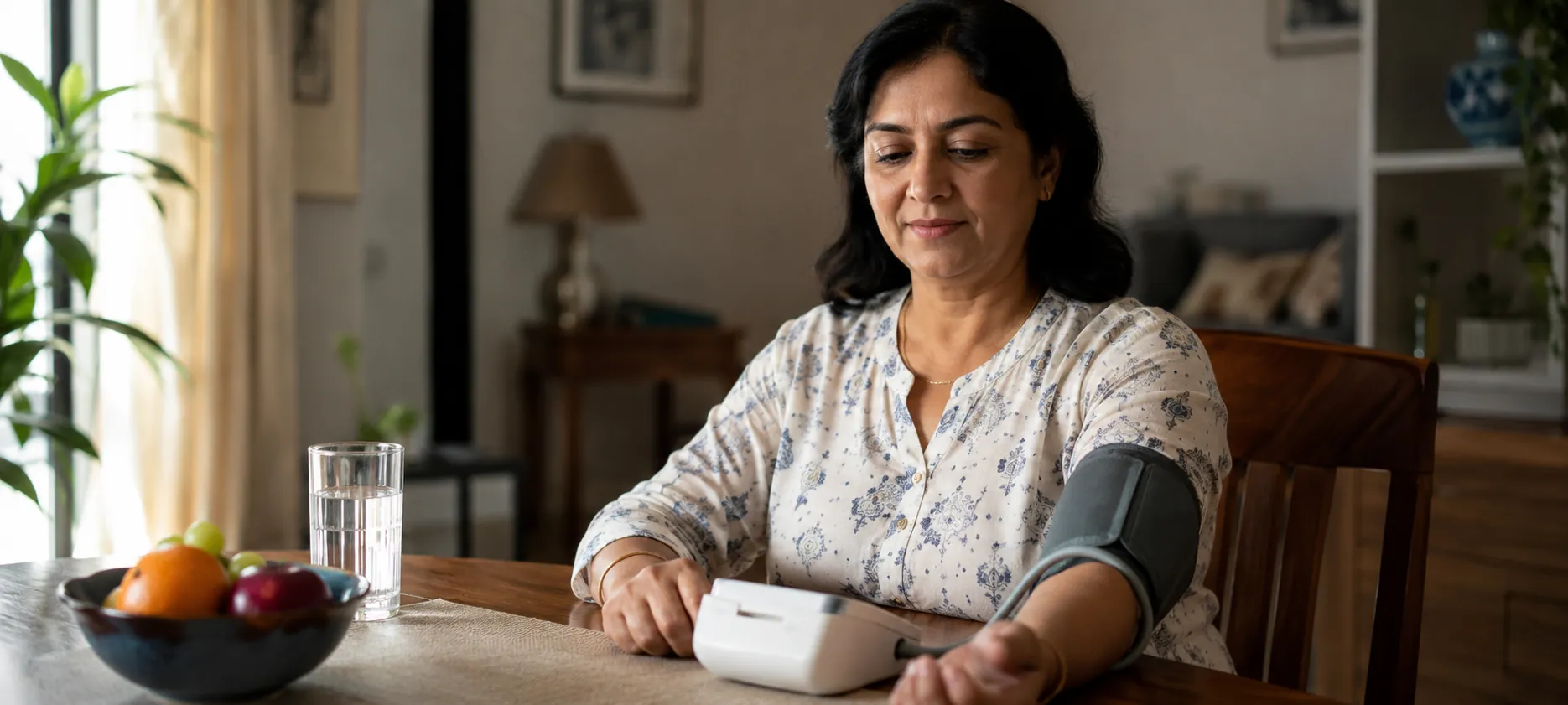
Home monitoring can be useful, but measurements must be taken correctly. Discuss unusual or repeated changes with your doctor.
Consider Preventive Health Tests
Your doctor may recommend tests based on your age, symptoms, medical history, lifestyle, and family history. These may include:
- Complete blood count
- Blood glucose or HbA1c Test
- Lipid profile Test
- Liver function test
- Kidney function test
- Thyroid function test
- Vitamin and mineral tests
- Urine examination
- Tests for specific infections
- Age-appropriate health screening
Avoid choosing tests only because they are popular online. Your health requirements are personal, so the right screening plan may differ from someone else's.
Understand Your Reports
Do not interpret a single result without context. A value outside the laboratory reference range does not always confirm a disease. Similarly, a result within the range may not rule out every concern.
Your doctor will interpret your results along with your symptoms, medical history, medicines, and previous reports.
Healthy Living Practices To Adopt
Small and consistent actions are often easier to maintain than major lifestyle changes.
Eat A Balanced Diet
Choose a varied diet that includes vegetables, fruits, whole grains, pulses, nuts, seeds, and suitable sources of protein.
Limit foods that contain high amounts of salt, added sugar, unhealthy fats, or refined carbohydrates. Try to choose fresh or minimally processed foods more often.
You do not need to follow extreme diets for general wellbeing. A sustainable eating pattern that meets your nutritional needs is usually more helpful.
Stay Physically Active
Adults should aim for at least 150 minutes of moderate physical activity each week, according to the World Health Organization.
You can divide this time across the week. Brisk walking, cycling, swimming, dancing, yoga, and active household work can all contribute.
Include muscle-strengthening activities on at least two days a week when suitable for your health and fitness level. Start gradually if you have been inactive.
Prioritise Sleep
Most healthy adults need at least seven hours of sleep each night.
Try to sleep and wake at similar times each day. Reduce screen exposure before bedtime, limit caffeine later in the day, and keep your bedroom quiet and comfortable.
Speak to a doctor if poor sleep continues or affects your daytime functioning.
Maintain Good Hygiene
Wash your hands regularly, maintain oral hygiene, keep food preparation areas clean, and follow safe menstrual and personal hygiene practices.
Good hygiene is a basic but important form of preventive self-care.
Avoid Tobacco And Limit Alcohol
Avoid smoking, chewing tobacco, vaping, and exposure to second-hand smoke. If you use tobacco, professional cessation support can help.
Avoiding alcohol is the safest choice for health. Do not use alcohol as a way to manage stress or sleep problems.
Use Medicines Responsibly
Take medicines only as directed. Do not change the dose or stop a prescribed medicine without medical advice.
Avoid taking antibiotics without a prescription. Incorrect antibiotic use can cause side effects and contribute to antimicrobial resistance.
Emotional And Mental Health Support
Mental self-care is as important as physical self-care.
Take a few minutes each day to notice how you are feeling. Deep breathing, meditation, prayer, journalling, music, creative activities, or quiet time may help you relax.
Healthy boundaries are also part of self-care. It is reasonable to say no when your physical or emotional capacity is limited.
Stay connected with people you trust. Talking to a family member, friend, counsellor, or mental health professional can help when you feel overwhelmed.
Seek professional support if emotional distress continues, affects your relationships, interrupts your work, or makes daily activities difficult.
Simple International Self-Care Day Activities
You can observe International Self-Care Day 2026 through practical activities that support lasting change:
- Complete a personal health check-in.
- Schedule a preventive health check-up.
- Take a 20-minute walk.
- Prepare a balanced meal at home.
- Track your sleep for seven days.
- Check your blood pressure if you have access to a validated device.
- Take regular breaks from prolonged sitting.
- Reduce unnecessary screen time.
- Speak to someone you trust.
- Review your medicines with a healthcare professional.
- Offer practical support to a caregiver.
- Set one realistic health goal for the next month.
You can also wish your friends and family a Happy International Self-Care Day and encourage them to choose one achievable health habit.
How To Build A Self-Care Routine That Lasts
A self-care routine should fit your health, schedule, finances, and responsibilities.
Start with one small action. For example, walk for ten minutes after dinner or go to bed 20 minutes earlier. Repeat the habit until it becomes part of your routine.
Use simple reminders or habit trackers. Review your progress weekly rather than expecting perfection every day.
Choose habits that have a clear purpose. A routine is more likely to last when you understand how it supports your wellbeing.
Most importantly, respond with patience when you miss a day. You can restart without treating the setback as a failure.
When Should You Seek Medical Advice?
Self-care can support your health, but it cannot replace professional evaluation.
Consult a doctor if you have new, severe, persistent, or worsening symptoms. You should also seek guidance before making major changes to your diet, exercise routine, medicines, or disease management plan if you have an existing medical condition.
Reliable self-care includes knowing when you need help.
Conclusion
International Self-Care Day 2026 is a reminder that your everyday habits influence your long-term health. Eating well, staying active, sleeping adequately, managing stress, and maintaining meaningful relationships form a strong foundation for wellbeing.
Preventive health screening is another important part of staying informed. Routine blood tests and full body check-ups can help you understand key health markers and discuss appropriate next steps with your doctor.
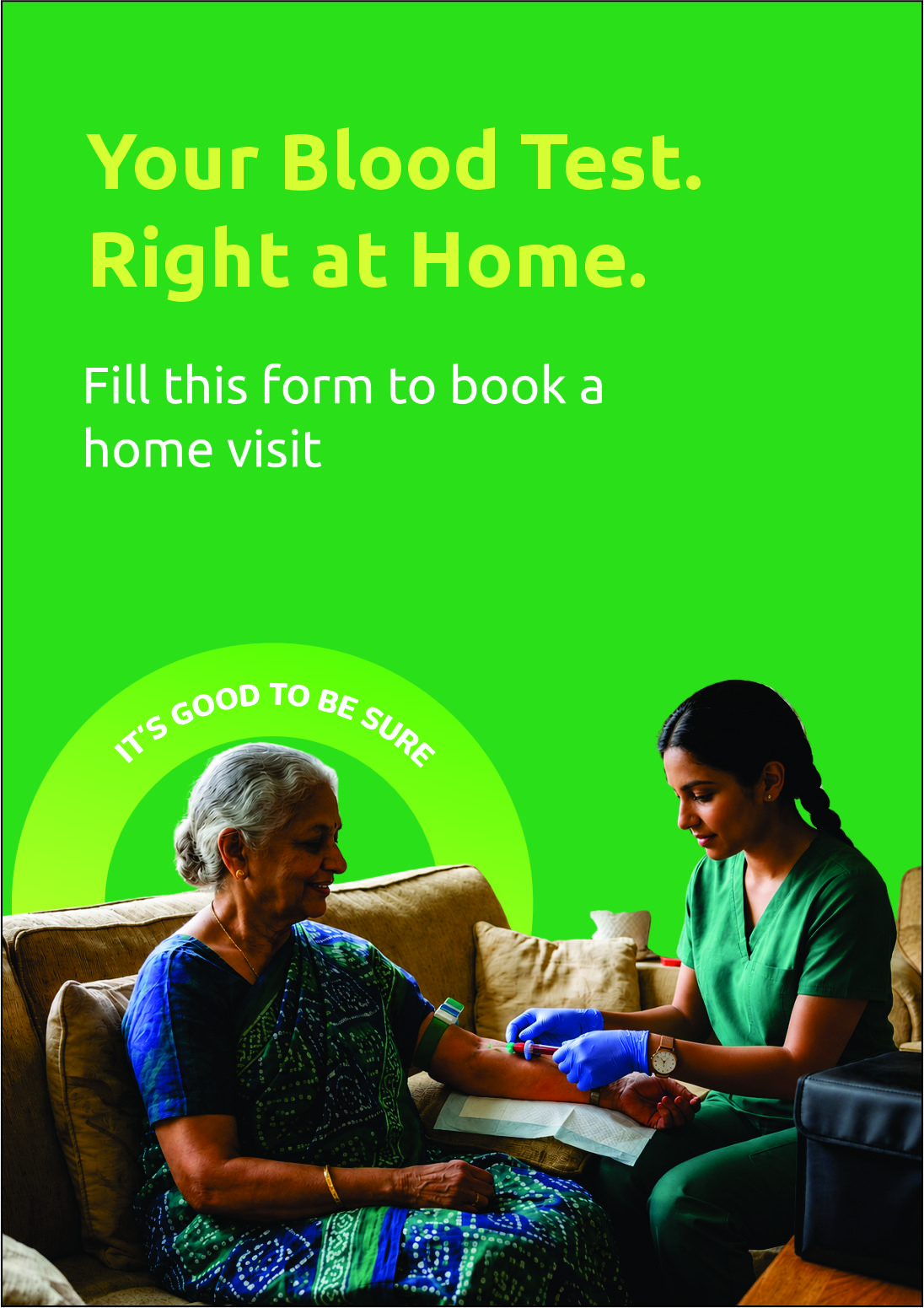
Metropolis Healthcare supports proactive health management with more than 4,000 tests, speciality testing, full body health check-ups, and reliable reports from NABL and CAP-accredited laboratories. You can book tests through the website, app, call, or WhatsApp. Home sample collection is also available through an extensive network of 10,000 touchpoints, making regular health monitoring more convenient.
This International Self-Care Day, choose one practical action that you can continue throughout the year. Consistent care, supported by accurate health information, can help you protect your wellbeing with greater confidence.
Frequently Asked Questions
When Is International Self-Care Day 2026?
International Self-Care Day 2026 will be observed on Friday, 24 July.
What Is The Theme Of International Self-Care Day 2026?
The 2026 campaign focuses on placing self-care at the forefront of prevention. The World Health Organization's Self-Care Month 2026 theme is "Self-Care Puts Your Health In Your Hands: Test. Track. Thrive."
Why Is International Self-Care Day Celebrated On 24 July?
The date represents 24 hours a day and seven days a week. It reinforces the idea that self-care should be practised throughout the year.
What Are Some Free Self-Care Activities?
Walking, stretching, deep breathing, journalling, getting adequate sleep, reducing screen time, talking to someone you trust, and preparing a nutritious meal are simple options.
Is Self-Care Only About Mental Health?
No. Self-care includes physical health, mental wellbeing, nutrition, exercise, hygiene, health literacy, risk avoidance, preventive screening, and responsible use of healthcare services.
Can Self-Care Replace Medical Treatment?
No. Self-care complements medical care. You should consult a qualified healthcare professional for diagnosis, treatment, persistent symptoms, or concerns about your health.
References
- World Health Organization. Self-Care Month 2026: Self-Care Puts Your Health In Your Hands: Test. Track. Thrive. Geneva: World Health Organization; 2026.
- World Health Organization. Self-Care For Health And Well-Being. Fact sheet. Geneva: World Health Organization; 2026.
- Global Self-Care Federation. International Self-Care Day 2026: Self-Care At The Forefront Of Prevention. Geneva: Global Self-Care Federation; 2026.
- International Self-Care Foundation. International Self-Care Day. International Self-Care Foundation; 2026.
- World Health Organization. WHO Guidelines On Physical Activity And Sedentary Behaviour. Geneva: World Health Organization; 2020.
- World Health Organization. Healthy Diet. Fact sheet. Geneva: World Health Organization; 202
- ICMR-National Institute of Nutrition. Dietary Guidelines For Indians 2024. Hyderabad: ICMR-National Institute of Nutrition; 2024.
- Watson NF, Badr MS, Belenky G, Bliwise DL, Buxton OM, Buysse D, et al. Recommended amount of sleep for a healthy adult: a joint consensus recommendation of the American Academy of Sleep Medicine and Sleep Research Society. Sleep. 2015;38(6):843-844. PMID: 26039963.