

 App Store
 Google Play





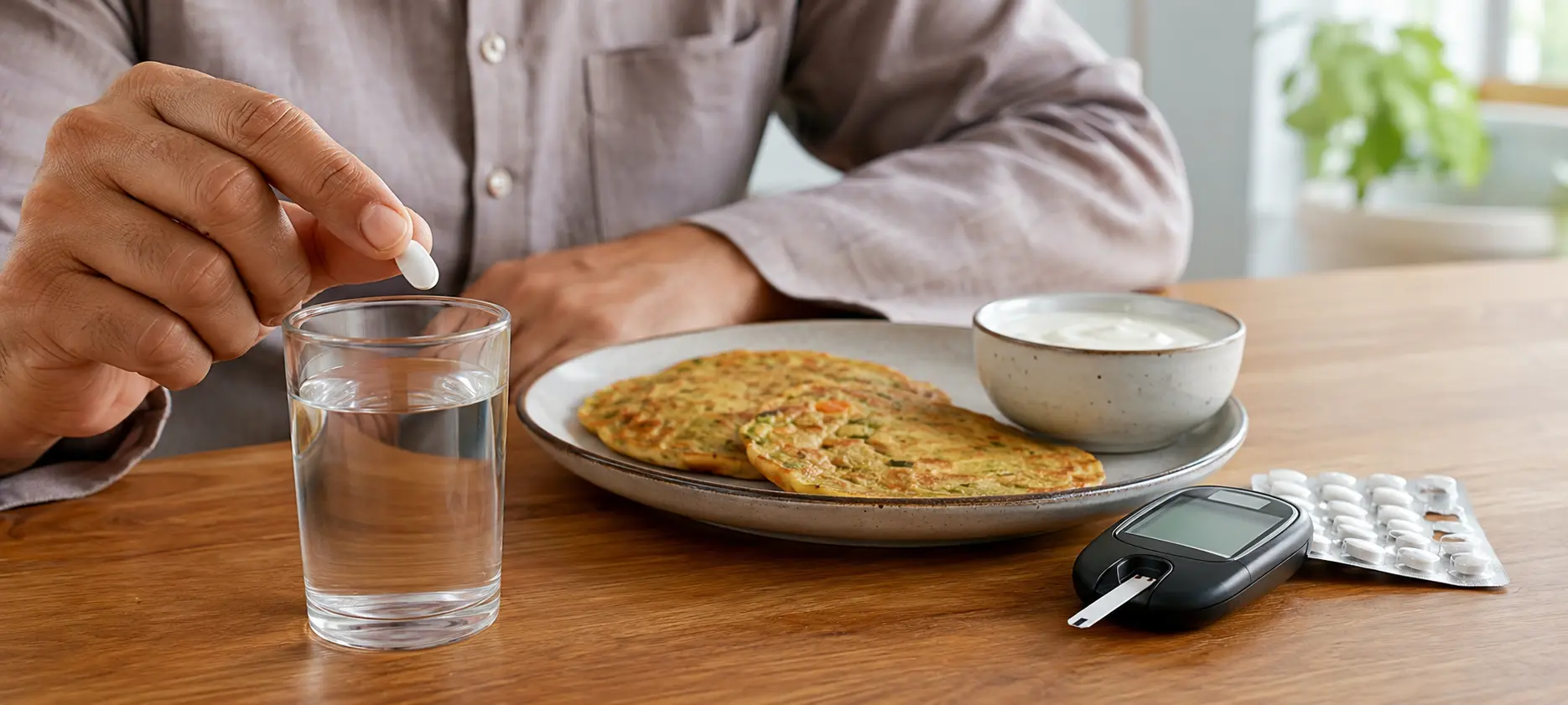
Glycomet GP 1 Forte is a prescription medicine used to manage type 2 diabetes in adults. It combines two blood sugar-lowering medicines, glimepiride and metformin.
These medicines work in different ways to help control blood glucose. However, Glycomet GP 1 Forte may cause low blood sugar and other side effects. You should take it only under medical supervision.
This article provides general information. Do not start, stop or change the dose of this medicine without consulting your doctor.
What Is Glycomet GP 1 Forte Tablet?
Glycomet GP 1 Forte is a combination type 2 diabetes medicine. Doctors may prescribe it when diet, physical activity and a single diabetes medicine do not provide adequate blood sugar control.
It is not a substitute for healthy eating, regular physical activity or glucose monitoring. These measures remain important throughout your diabetes treatment.
Glycomet GP 1 Forte is not used to treat type 1 diabetes or diabetic ketoacidosis.
Glycomet GP 1 Forte Composition
The usual Glycomet GP 1 Forte composition includes:
- Glimepiride 1 mg: A sulfonylurea medicine that stimulates the pancreas to release insulin.
- Metformin hydrochloride prolonged release equivalent to 1000 mg: A biguanide medicine that reduces glucose production by the liver and improves insulin sensitivity.
The tablet may be marked as PR, SR or prolonged release, depending on the product packaging. Check the label and prescription for the exact formulation. Do not replace it with another tablet that has a similar name without consulting your doctor.
Glycomet GP 1 Forte Uses
The main Glycomet GP 1 Forte use is the management of type 2 diabetes in adults.
Your doctor may prescribe this diabetes treatment tablet to:
- Lower fasting blood glucose
- Reduce high blood glucose after meals
- Help you reach an individualised HbA1c target
- Improve glucose control when one medicine is not enough
- Simplify treatment by combining two medicines in one tablet
Treatment decisions should consider more than your blood sugar level. Your doctor may also assess your age, weight, kidney function, heart health, liver health and risk of low blood sugar.
Benefits Of Glycomet GP 1 Forte Tablet
Combines Two Different Actions
Glimepiride increases insulin release, while metformin reduces liver glucose production and improves the way your body responds to insulin.
These complementary actions can provide better blood sugar control than either component alone in some people.
May Control Fasting And Post-Meal Sugar
Metformin mainly reduces excess glucose production by the liver. Glimepiride helps your body release more insulin in response to food and existing blood glucose.
This combination may help lower both fasting and post-meal glucose levels.
May Simplify Your Medicine Routine
A fixed-dose combination reduces the need to take separate glimepiride and metformin tablets. A simpler routine may make it easier to take your medicine consistently.
However, fixed-dose combinations offer less flexibility when the dose of only one ingredient needs to change.
Supports Long-Term Diabetes Management
Maintaining glucose within your recommended range can reduce the risk of diabetes-related damage to the eyes, kidneys and nerves over time.
No medicine can guarantee that complications will be prevented. Blood pressure, cholesterol, smoking, weight, kidney health and regular screening also require attention.
How Glycomet GP 1 Forte Tablet Works
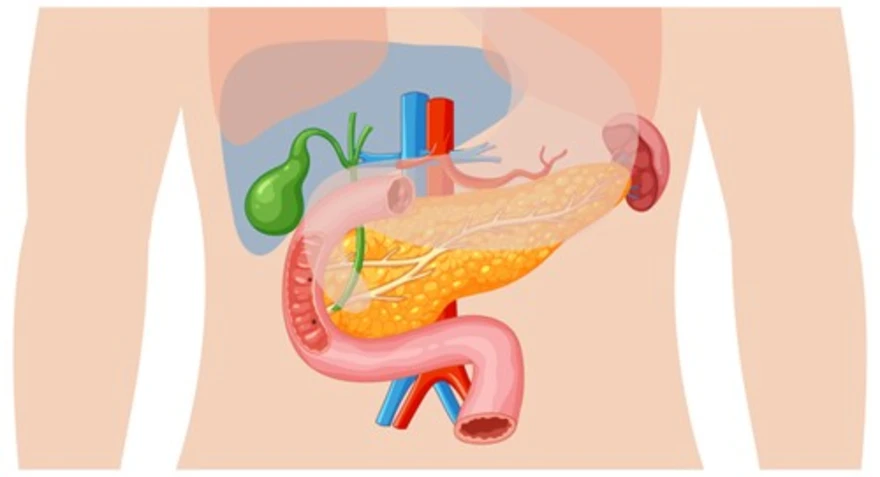
Glimepiride acts on insulin-producing cells in the pancreas. It encourages these cells to release more insulin, which helps move glucose from your blood into your cells.
Metformin works mainly by reducing the amount of glucose released by your liver. It also improves insulin sensitivity, allowing your muscles and other tissues to use glucose more effectively.
Because glimepiride increases insulin release, it can cause hypoglycaemia, particularly if you miss a meal, exercise more than usual, drink alcohol or take other glucose-lowering medicines.
Recommended Dosage And How To Take It
The correct dose depends on your blood glucose, HbA1c, current medicines, kidney function and response to treatment. There is no standard dose that is suitable for everyone.
Follow these precautions:
- Take Glycomet GP 1 Forte exactly as prescribed.
- Take it with a main meal at the time advised by your doctor.
- Swallow the tablet whole with water.
- Do not crush, chew or split a prolonged-release tablet.
- Take it at a consistent time each day.
- Do not skip or significantly delay the meal associated with your dose.
- Do not increase the dose when your blood sugar is high unless your doctor advises it.
- Do not stop the medicine simply because your glucose readings have improved.
Your doctor may ask you to monitor fasting glucose, post-meal glucose or HbA1c. The HbA1c test reflects your average blood glucose over approximately two to three months.
Common Side Effects Of Glycomet GP 1 Forte Tablet
Not everyone experiences side effects. Some effects improve as your body adjusts to treatment.
Common Glycomet GP 1 Forte side effects may include:
- Low blood sugar
- Nausea
- Diarrhoea
- Abdominal discomfort
- Indigestion
- Reduced appetite
- Headache
- Altered or metallic taste
- Mild weight gain
Metformin is often weight neutral, but glimepiride may cause weight gain in some people.
Taking the tablet with food may reduce digestive discomfort. Contact your doctor if diarrhoea, vomiting or abdominal pain is severe or persistent.
How To Recognise Low Blood Sugar
Hypoglycaemia is one of the most important risks associated with glimepiride.
Symptoms may include:
- Sweating
- Shaking
- Sudden hunger
- Dizziness
- Headache
- Palpitations
- Irritability
- Blurred vision
- Difficulty concentrating
- Confusion
- Unusual drowsiness
Follow the hypoglycaemia plan given by your healthcare team. Carry a fast-acting source of glucose, such as glucose tablets, when advised.
Severe hypoglycaemia can cause seizures or unconsciousness. Do not give food or drink by mouth to an unconscious person. Seek emergency medical help immediately.
Beta-blocker medicines and some health conditions may make the early signs of low blood sugar less noticeable.
Rare But Serious Side Effects
Lactic Acidosis
Metformin-associated lactic acidosis is rare but requires urgent treatment. The risk is higher with severe kidney impairment, serious liver disease, dehydration, excessive alcohol consumption, reduced oxygen supply or acute severe illness.
Possible symptoms include:
- Severe weakness
- Persistent vomiting
- Abdominal pain
- Rapid or difficult breathing
- Unusual drowsiness
- Muscle pain
- Feeling unusually cold
- A slow or irregular heartbeat
Seek emergency medical attention if these symptoms appear.
Severe Allergic Reaction
Stop taking the medicine and seek urgent care if you develop swelling of the face, lips, tongue or throat, breathing difficulty, or a severe skin reaction.
Vitamin B12 Deficiency
Long-term metformin use may reduce vitamin B12 absorption. Your doctor may recommend testing if you develop anaemia, numbness, tingling, weakness or unexplained tiredness.
Who Should Avoid Glycomet GP 1 Forte Tablet?
This medicine may be unsuitable if you have:
- Type 1 diabetes
- Diabetic ketoacidosis
- Severe kidney impairment
- Acute or chronic metabolic acidosis
- Serious liver disease
- A known allergy to glimepiride, metformin or another tablet ingredient
- A previous serious reaction to a sulfonylurea or sulfonamide medicine
- Severe dehydration
- A serious infection or illness that affects breathing or circulation
Pregnant or breastfeeding women should consult their doctor before taking this medicine. Diabetes treatment may need to be changed before or during pregnancy.
Older adults and people with kidney impairment may have a higher risk of prolonged hypoglycaemia.
Is Glycomet GP 1 Forte Safe For Your Kidneys?
Kidney function is particularly important because metformin is removed from your body through the kidneys.
Metformin should not be used when the estimated glomerular filtration rate, or eGFR, is below 30 mL/min/1.73 m². Starting metformin is generally not recommended when the eGFR is between 30 and 45 mL/min/1.73 m².
Glimepiride can also cause more prolonged hypoglycaemia when kidney function is reduced.
Your doctor may check your serum creatinine and eGFR before treatment and at regular intervals. Do not assume that this medicine is safe or unsafe based only on a creatinine value. Kidney function should be interpreted in clinical context.
Can Glycomet GP 1 Forte Affect Liver Function?
This medicine is not generally recommended in severe liver disease. Liver impairment can increase the risks of hypoglycaemia and metformin-associated lactic acidosis.
Contact your doctor if you develop:
- Yellowing of the skin or eyes
- Dark urine
- Persistent abdominal pain
- Severe loss of appetite
- Unexplained nausea or tiredness
Your doctor may recommend liver function tests based on your medical history, symptoms and other medicines.
Drug Interactions And Precautions
Tell your doctor about every prescription medicine, over-the-counter product, vitamin and herbal supplement you take.
Medicines that may interact with Glycomet GP 1 Forte include:
- Insulin and other diabetes medicines
- Beta-blockers
- Corticosteroids
- Certain diuretics
- Fluconazole and some other antifungal medicines
- Rifampicin
- Certain antibiotics
- Thyroid medicines
- Medicines containing topiramate or another carbonic anhydrase inhibitor
- Medicines that affect kidney function
- Some blood pressure medicines
Some medicines may increase the risk of hypoglycaemia. Others may raise blood glucose or make low blood sugar harder to recognise.
Avoid excessive alcohol. Alcohol can make blood glucose unpredictable and increase the risks of hypoglycaemia and lactic acidosis.
Tell your doctor that you take metformin before surgery or a scan involving iodinated contrast dye. You may need to pause the medicine temporarily and restart it after your kidney function has been reassessed.
Seek advice during an illness that causes repeated vomiting, diarrhoea, dehydration, poor fluid intake or breathing difficulty. Your doctor may provide specific sick-day instructions.
What To Do If You Miss A Dose
Check the instructions provided by your doctor or pharmacist.
If it is almost time for the next dose, skip the missed dose and continue with your usual schedule. Do not take two doses together.
Do not take a delayed dose without food simply to make up for the missed tablet. Contact your doctor or pharmacist if you are unsure.
What To Do In Case Of An Overdose
An overdose may cause severe and prolonged hypoglycaemia. Excess metformin may also increase the risk of lactic acidosis.
Seek emergency medical care immediately after a suspected overdose, even if you initially feel well. Take the medicine strip, prescription or packaging with you.
When To Consult A Doctor Immediately
Seek urgent medical attention if you experience:
- Severe or repeated low blood sugar
- Loss of consciousness
- Seizures
- Persistent vomiting or diarrhoea
- Severe dehydration
- Rapid or difficult breathing
- Severe abdominal pain
- Swelling of the face or throat
- A widespread or blistering rash
- Yellowing of the eyes or skin
- Sudden confusion or extreme weakness
Also contact your doctor if your glucose readings remain consistently above or below your target.
Tests You May Need During Treatment
Regular monitoring helps show whether treatment is effective and safe.
Your doctor may recommend:
- FBS test: Measures blood glucose after fasting.
- Postprandial blood sugar test: Measures glucose after a meal.
- HbA1c test: Assesses average glucose over the previous two to three months.
- Kidney function test: Include serum creatinine and eGFR.
- Liver function test: May be advised when clinically relevant.
- Vitamin B12 test: May be considered during long-term metformin treatment.
- Urine albumin test: Helps screen for early diabetes-related kidney damage.
- Lipid profile test: Measures cholesterol and triglycerides.
Your monitoring schedule should be based on your health, medicines and diabetes targets.
Key Takeaways
- Glycomet GP 1 Forte combines glimepiride 1 mg with metformin 1000 mg prolonged release.
- It is used to manage type 2 diabetes in adults.
- Take it with food and exactly as prescribed.
- Do not crush or chew a prolonged-release tablet.
- Glimepiride can cause hypoglycaemia, especially after missed meals.
- Metformin may cause digestive symptoms and, rarely, lactic acidosis.
- Kidney function should be assessed before and during treatment.
- Long-term metformin use may reduce vitamin B12 levels.
- Do not stop or change the dose without medical advice.
- Healthy eating, physical activity and regular monitoring remain essential.
Manage Diabetes With Regular Monitoring
Glycomet GP 1 Forte may support blood sugar management when it is suitable for your individual health needs. However, the medicine works best as one part of a broader diabetes care plan.
Regular HbA1c tests, an FBS test and kidney health assessments can help you understand how well your treatment is working. Preventive screening can also identify changes that may require attention before they cause noticeable symptoms.
Metropolis Healthcare provides more than 4,000 tests through NABL and CAP-accredited laboratories. You can book a blood test at home HbA1c test
through the website, app, call or WhatsApp. Its strong home collection network, with 10,000 touchpoints, provides convenient sample collection, accurate results, reliable reports and quick turnaround times.
You can also explore full body checkup options for broader preventive health monitoring. Targeted diabetes tests should still follow the schedule recommended by your doctor.
FAQs About Glycomet GP 1 Forte Tablet
Can Glycomet GP 1 Forte Help Prevent Diabetes Complications?
Better blood sugar control can reduce the risk of complications affecting the eyes, kidneys and nerves. However, this medicine cannot prevent every complication by itself.
You also need regular screening and appropriate management of your blood pressure, cholesterol, weight and other health risks.
Should Glycomet GP 1 Forte Be Taken Before Or After Meals?
It should generally be taken with a main meal, according to your prescription. Taking it with food can reduce stomach discomfort and lower the risk of hypoglycaemia from glimepiride.
Does Glycomet GP 1 Forte Cause Weight Gain?
Glimepiride may cause mild weight gain in some people. Metformin is usually weight neutral and may cause modest weight loss in some individuals.
Speak to your doctor if you notice significant or unexplained weight changes.
Can Glycomet GP 1 Forte Affect Liver Function?
The medicine requires caution in people with liver impairment. Severe liver disease can increase the risks of low blood sugar and lactic acidosis.
Contact your doctor if you develop jaundice, dark urine or persistent abdominal symptoms.
Is Glycomet GP 1 Forte Safe For Kidneys?
It may be used only when kidney function is suitable. Metformin is contraindicated when the eGFR is below 30 mL/min/1.73 m². People with reduced kidney function also have a higher risk of hypoglycaemia from glimepiride.
Regular kidney function testing is important.
Can I Stop The Tablet When My Blood Sugar Becomes Normal?
No. Normal readings may mean that your treatment is working. Stopping the medicine without medical advice can cause your blood glucose to rise again.
Can I Take Glycomet GP 1 Forte During Fasting?
Fasting or skipping meals can increase the risk of hypoglycaemia because the tablet contains glimepiride. Speak to your doctor before religious fasting, intermittent fasting or making major dietary changes.
Can I Drink Alcohol While Taking This Medicine?
It is safer to avoid alcohol unless your doctor confirms otherwise. Alcohol can increase the risk of low blood sugar and metformin-associated lactic acidosis.