

 App Store
 Google Play







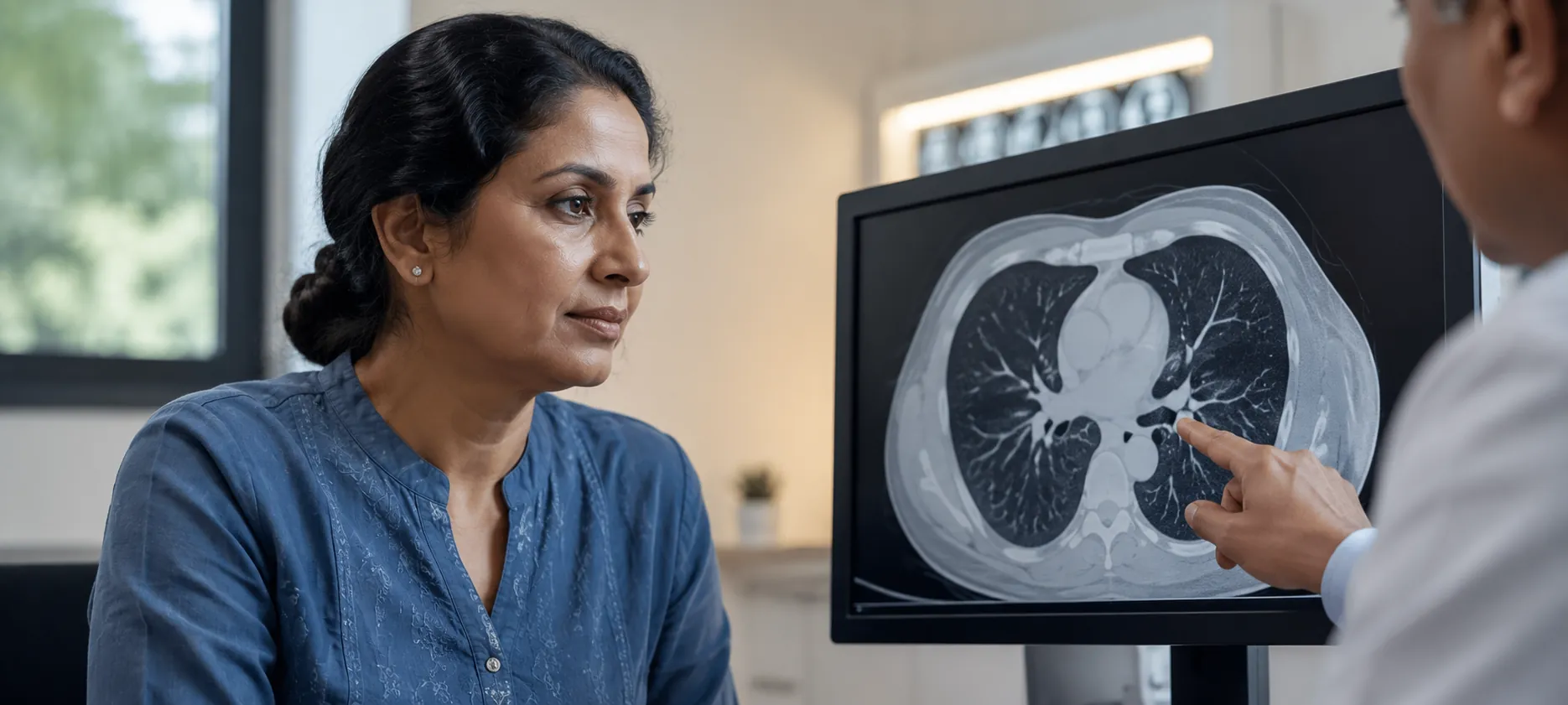
World Lung Cancer Day is observed on 1 August every year. It brings people together to improve awareness, reduce stigma, encourage early detection, and support everyone affected by lung cancer.
Lung cancer is a serious condition, but progress in screening, molecular testing, surgery, radiotherapy, targeted therapy, and immunotherapy continues to improve care. Timely medical attention can also help doctors identify the disease at an earlier stage, when more treatment options may be available.
World Lung Cancer Day 2026 is an opportunity to learn the warning signs, understand your risk, and support patients without judgement.
What Is World Lung Cancer Day?
World Lung Cancer Day is a global health observance dedicated to lung cancer education and advocacy.
It encourages patients, caregivers, healthcare professionals, researchers, policymakers, and communities to discuss:
- Lung cancer symptoms and risk factors
- Prevention and tobacco cessation
- Screening for people at high risk
- Timely lung cancer diagnosis
- Access to appropriate treatment
- Patient rights and emotional support
- Research into more effective treatments
The observance also challenges the misconception that lung cancer affects only people who smoke. Tobacco remains the leading risk factor, but people who have never smoked can also develop the condition.
History Of World Lung Cancer Day
World Lung Cancer Day was established in 2012 by the Forum of International Respiratory Societies in collaboration with other health organisations.
It was created to draw attention to the global impact of lung cancer and the need for better prevention, early detection, research, and access to care.
The observance takes place every year on 1 August. Since its introduction, patient groups and healthcare organisations across the world have used the day to share accurate information and amplify the voices of people living with the disease.
What Is The Lung Cancer Day Theme For 2026?
A single official lung cancer day theme for 2026 has not been announced.
Global campaigns continue to focus on several connected priorities:
- Breaking the stigma associated with lung cancer
- Encouraging earlier detection
- Improving access to screening and treatment
- Supporting patients and caregivers
- Promoting research and innovation
- Reducing tobacco use and harmful environmental exposure
These priorities reflect an important message. Every person affected by lung cancer deserves informed, compassionate, and timely care, regardless of their smoking history.
Understanding Lung Cancer
Lung cancer begins when abnormal cells in the lungs grow without normal control. These cells can form a tumour, invade nearby tissues, and spread to other parts of the body.
There are two main types.
Non-Small Cell Lung Cancer
Non-small cell lung cancer, or NSCLC, accounts for most cases. It includes subtypes such as adenocarcinoma, squamous cell carcinoma, and large cell carcinoma.
NSCLC usually grows more slowly than small cell lung cancer, although its behaviour differs between individuals.
Small Cell Lung Cancer
Small cell lung cancer, or SCLC, is less common. It often grows and spreads more quickly.
Correctly identifying the type and stage is essential because treatment approaches differ.
Why World Lung Cancer Day Is Important
Lung cancer is one of the most commonly diagnosed cancers and the leading cause of cancer death worldwide. Many people are diagnosed after the disease has reached an advanced stage because early symptoms can be mild or mistaken for common respiratory problems.
World Lung Cancer Day helps address these challenges.
It Encourages Symptom Awareness
A persistent cough, unexplained weight loss, breathlessness, or repeated chest infections should not be ignored. Greater awareness may encourage you to seek medical advice sooner.
It Reduces Stigma
People with lung cancer may face blame because of the association with smoking. This can cause shame, isolation, or delays in seeking care.
Smoking history should never determine whether a person receives compassion and support.
It Promotes Early Detection
Screening with low-dose computed tomography can detect some cancers before symptoms appear in selected people at high risk.
It Supports Research
Continued research has led to more precise surgery, radiotherapy, molecular testing, targeted medicines, and immunotherapy.
It Amplifies Patient Voices
Patients and caregivers can identify gaps in communication, emotional support, treatment access, and follow-up care that may not be visible through clinical data alone.
Common Symptoms And Warning Signs
Lung cancer may not cause noticeable symptoms in its early stages. When symptoms occur, they may include:
- A cough that does not go away
- A change in a long-standing cough
- Coughing up blood
- Chest pain that worsens with coughing or deep breathing
- Shortness of breath
- Wheezing
- Hoarseness
- Repeated bronchitis or pneumonia
- Unexplained weight loss
- Reduced appetite
- Persistent tiredness
- Difficulty swallowing
- Swelling of the face or neck
- Bone pain
- Changes in the fingertips, known as clubbing
These symptoms can also occur with infections, asthma, chronic obstructive pulmonary disease, tuberculosis, or other conditions. Having one does not mean that you have cancer.
However, you should consult a doctor if symptoms persist, worsen, or feel unusual for you.
Blood Clots And Lung Cancer
Cancer can increase the likelihood of developing a blood clot. Reduced movement, surgery, hospitalisation, some medicines, and the cancer itself may contribute to this risk.
A blood clot in a deep vein may cause:
- Swelling in one leg or arm
- Pain or tenderness
- Warmth or redness of the skin
If part of the blood clot travels to the lungs, it can cause a pulmonary embolism. Warning signs may include sudden breathlessness, chest pain, coughing up blood, dizziness, or a rapid heartbeat.
These symptoms require urgent medical care. They do not always indicate a pulmonary embolism, but prompt assessment is important.
Hypercalcemia And Lung Cancer
Hypercalcemia means that the calcium level in your blood is higher than normal. Some lung cancers, particularly certain squamous cell cancers, can cause this complication.
Symptoms of hypercalcemia may include:
- Increased thirst
- Frequent urination
- Nausea or vomiting
- Constipation
- Loss of appetite
- Muscle weakness
- Severe tiredness
- Confusion or difficulty concentrating
Mild hypercalcemia may cause few symptoms and can sometimes be found through a blood test. More severe cases need prompt medical treatment.
Your doctor may check calcium, kidney function, and other blood markers if hypercalcemia is suspected.
Main Risk Factors For Lung Cancer
Smoking is the most important preventable risk factor, but it is not the only one.
Tobacco Use
Cigarettes, bidis, cigars, pipes, and other smoked tobacco products expose the lungs to cancer-causing substances.
The risk generally rises with the amount smoked and the number of years of tobacco use. Stopping smoking lowers the risk over time, even after many years of use.
Second-Hand Smoke
Regular exposure to another person's tobacco smoke can increase your risk.
Maintaining a smoke-free home, vehicle, and workplace protects both adults and children.
Air Pollution
Long-term exposure to outdoor air pollution and fine particulate matter can damage lung tissue.
Household smoke from solid fuels may also contribute, particularly where cooking areas have inadequate ventilation.
Workplace Exposure
Some occupations involve exposure to asbestos, silica, diesel exhaust, arsenic, chromium, nickel, and other harmful substances.
Employers and workers should follow safety procedures and use suitable protective equipment.
Radon
Radon is a naturally occurring radioactive gas that can collect inside some buildings. Long-term exposure can increase lung cancer risk.
Family And Medical History
Your risk may be higher if a close relative has had lung cancer or if you have certain chronic lung conditions.
However, having a risk factor does not mean that you will develop cancer. Some people are diagnosed without any clearly identifiable cause.
Ways To Reduce Your Risk
Not every case can be prevented, but you can reduce several known risks.
- Do not start smoking.
- Seek professional help to stop using tobacco.
- Avoid second-hand smoke.
- Keep your home and vehicle smoke-free.
- Follow workplace safety procedures.
- Use suitable respiratory protection where required.
- Improve ventilation when cooking with fuels that produce smoke.
- Check local air-quality information and limit heavy outdoor activity when pollution levels are very high.
- Maintain regular medical follow-up if you have a chronic lung condition.
- Discuss your family history and occupational exposure with your doctor.
Quitting tobacco remains beneficial even if you have smoked for many years or have already received a lung cancer diagnosis. It can improve breathing, support recovery, and reduce treatment complications.
Screening And Early Detection
Screening means testing a person who does not have symptoms. It is different from investigating symptoms.
Low-dose computed tomography, commonly called low-dose CT or LDCT, is the main screening method shown to reduce lung cancer deaths in carefully selected high-risk groups.
A chest X-ray is not considered an effective substitute for LDCT screening.
India does not currently have a formal population-wide lung cancer screening programme. Your doctor may consider your age, tobacco exposure, occupational history, family history, overall health, and ability to undergo treatment before recommending screening.
LDCT also has limitations. It can detect non-cancerous lung nodules, leading to repeat scans, anxiety, or invasive investigations. Screening should therefore involve informed discussion with a qualified healthcare professional.
People who already have symptoms need diagnostic evaluation, not routine screening.
How A Lung Cancer Diagnosis Is Made
No single lung cancer test can confirm every case. Doctors usually combine imaging, tissue examination, and laboratory findings.
Medical History And Examination
Your doctor will ask about your symptoms, smoking history, workplace exposure, previous illnesses, medicines, and family history.
Imaging Tests
A chest X-ray may identify an abnormal area, but smaller tumours can be missed.
A CT scan provides more detailed images of the lungs and nearby structures. PET-CT, MRI, or other scans may be used to assess whether the cancer has spread.
Bronchoscopy
During bronchoscopy, a thin tube with a camera is passed through the nose or mouth into the airways. The doctor can examine the area and collect tissue.
Biopsy And Histopathology
A biopsy removes a small sample from the suspicious area. A pathologist examines it under a microscope to confirm whether cancer cells are present and identify the type.
Biopsy is central to lung cancer diagnosis. Imaging or blood tumour markers alone cannot provide the same confirmation.
Molecular And Biomarker Testing
After NSCLC is confirmed, molecular testing may look for changes in genes or proteins that influence treatment.
Depending on the cancer type and stage, testing may include markers such as:
- EGFR
- ALK
- ROS1
- BRAF
- MET
- RET
- KRAS
- NTRK
- PD-L1
These results may help an oncology team decide whether targeted therapy or immunotherapy is suitable.
Which Laboratory Tests May Be Used?
Laboratory investigations support diagnosis, treatment planning, and monitoring. Their role depends on your clinical situation.
Routine Blood Tests
A complete blood count can help identify anaemia, infection, or changes in platelets.
Kidney and liver function tests help doctors assess your general health and plan imaging or treatment safely.
Calcium testing may identify hypercalcemia. Clotting tests and other investigations may be needed if a blood clot is suspected.
Lung Marker Profile Test
A Lung Marker Profile Test measures selected tumour markers in the blood, such as CEA, NSE, and chromogranin A.
Tumour markers may support monitoring, prognosis, or assessment in selected patients. However, this lung cancer test should not be used alone to screen for or confirm cancer. Non-cancerous conditions can also affect marker levels.
Lung Carcinoma NSCLC Profile
A Lung Carcinoma NSCLC Profile evaluates tissue features and selected molecular alterations associated with non-small cell lung cancer.
It may help classify the tumour and support treatment planning after cancer has been identified.
Lung Basic Panel By NGS
Next-generation sequencing can examine several genes within a tumour sample at the same time.
The Lung Basic Panel By NGS offered by Metropolis Healthcare evaluates clinically relevant changes involving EGFR, ALK, ROS1, BRAF, and MET. Your oncologist or pathologist will determine whether this test is appropriate and which sample should be used.
A molecular lung cancer test guides treatment selection. It is not a replacement for CT imaging, biopsy, or histopathology.
How Lung Cancer Awareness Helps Patients
Accurate awareness can change how patients experience the entire care pathway.
It may help people:
- Recognise symptoms sooner
- Ask whether screening is appropriate
- Understand the need for a biopsy
- Request clear explanations of test results
- Learn whether molecular testing is relevant
- Seek a second medical opinion when needed
- Access emotional, social, and financial support
- Discuss side effects and quality-of-life concerns openly
Awareness also helps family members provide useful support instead of offering blame, unsolicited advice, or unproven remedies.
Advocacy For Lung Cancer Patients
Patient advocacy means ensuring that people receive respectful, informed, and accessible care.
Important advocacy priorities include:
- Equal access to screening, diagnosis, and treatment
- Clear communication in a language the patient understands
- Timely molecular testing where clinically appropriate
- Better access to palliative and supportive care
- Protection from tobacco smoke and harmful workplace exposure
- Greater research funding
- Psychological support for patients and caregivers
- Reduced stigma related to smoking history
- Involvement of patients in treatment decisions
Palliative care is not limited to the final stages of illness. It can be provided alongside cancer treatment to help manage pain, breathlessness, fatigue, anxiety, sleep problems, and other concerns.
Why Patient Stories Matter
Patient stories remind communities that lung cancer is not defined by statistics alone.
Some people are diagnosed during screening before symptoms begin. Others seek help after noticing a persistent cough. Some have never smoked. Others are former or current smokers who deserve the same dignity and quality of care.
When patients and caregivers share their experiences, they can encourage symptom awareness, challenge stigma, and help newly diagnosed people feel less alone.
You should never feel pressured to disclose private medical information. You can support awareness by sharing trusted health information without sharing your personal story.
How You Can Participate In World Lung Cancer Day 2026
You can take part in World Lung Cancer Day in simple but meaningful ways:
- Share medically accurate information about symptoms and risk factors.
- Remind others that non-smokers can also develop lung cancer.
- Encourage tobacco users to seek supportive cessation services.
- Ask someone receiving treatment what practical help they need.
- Support patient groups and credible research organisations.
- Promote clean-air and smoke-free policies.
- Arrange an educational session at your workplace or community.
- Speak respectfully about people affected by tobacco-related disease.
- Encourage eligible high-risk individuals to discuss LDCT screening with a doctor.
- Share emergency signs of a blood clot and severe hypercalcemia.
- Challenge posts that promote unproven cancer cures.
A single informed conversation may help someone seek medical advice earlier.
Frequently Asked Questions
When Is World Lung Cancer Day 2026?
World Lung Cancer Day is observed on 1 August 2026.
What Is The Lung Cancer Day Theme For 2026?
A single official global theme has not been announced. Current campaigns focus on stigma reduction, prevention, early detection, patient support, research, and equitable access to care.
Can A Blood Test Diagnose Lung Cancer?
No blood test can confirm lung cancer by itself. Blood tests may assess general health, detect complications such as hypercalcemia, measure selected tumour markers, or support molecular analysis. Diagnosis usually requires imaging and examination of a tissue sample.
What Is The Main Lung Cancer Screening Test?
Low-dose CT is the main evidence-based screening test for selected high-risk people without symptoms. It should be considered after a personalised medical assessment.
Can A Person Who Has Never Smoked Develop Lung Cancer?
Yes. Second-hand smoke, air pollution, occupational exposure, radon, genetic factors, and other influences may contribute. Some people have no clear risk factor.
Is Lung Cancer Treatable?
Yes. Treatment may include surgery, radiotherapy, chemotherapy, targeted therapy, immunotherapy, or a combination. The plan depends on the cancer type, stage, molecular findings, and your overall health.
Are Tumour Marker Tests Suitable For Routine Screening?
Tumour marker results are not specific enough to replace LDCT screening, imaging, biopsy, or histopathology. They may support monitoring or clinical evaluation in selected circumstances.
Support Awareness With Informed Health Decisions
World Lung Cancer Day 2026 reminds you that awareness must be combined with compassionate action. Persistent respiratory symptoms deserve medical attention, while people at high risk may benefit from a discussion about screening.
Accurate pathology and molecular testing are also important after a suspicious finding or confirmed diagnosis. Metropolis Healthcare provides more than 4,000 routine and speciality tests through NABL and CAP-accredited laboratories. Relevant oncology services include the Lung Marker Profile Test, Lung Carcinoma NSCLC Profile, and Lung Basic Panel By NGS.
Eligible blood tests can be booked through the Metropolis Healthcare website, app, call centre, or WhatsApp. Home sample collection is available through a network of more than 10,000 touchpoints, with reliable reports and convenient turnaround times.
Your doctor and oncology team should interpret every lung cancer test in the context of your symptoms, imaging, tissue findings, stage, and overall health.
References
- World Health Organization. Lung cancer. Fact sheet. Updated 16 April 2026.
- Forum of International Respiratory Societies. World Lung Cancer Day. Accessed 20 July 2026.
- International Agency for Research on Cancer. Lung cancer. Global Cancer Observatory. Accessed 20 July 2026.
- Aberle DR, Adams AM, Berg CD, et al. Reduced lung-cancer mortality with low-dose computed tomographic screening. N Engl J Med. 2011;365(5):395-409. PMID: 21714641.
- Vora A, Balamugesh T, Behera D, et al. Screening for lung cancer in India: expert opinion statement. J Assoc Physicians India. 2024;72(5):e1-e16. PMID: 38881114.
- National Cancer Institute. Lung Cancer Screening PDQ, Health Professional Version. Accessed 20 July 202
- National Cancer Institute. Non-Small Cell Lung Cancer Treatment PDQ. Accessed 20 July 2026.
- National Cancer Institute. Pulmonary embolism. NCI Dictionary of Cancer Terms. Accessed 20 July 2026.