

 App Store
 Google Play







What Is Winter Asthma?
Winter asthma isn't a different condition from regular asthma; it refers to the worsening of asthma symptoms that many people experience during the colder months. If you have asthma, your airways are more sensitive and become inflamed. Cold air and other winter triggers can irritate your bronchial tubes, leading to increased coughing, wheezing, chest tightness, and trouble breathing.
In fact, studies show that asthma-related hospitalisations spike by 20-25 % in the winter compared to summer. Children are especially vulnerable; they are twice as likely as adults to go to the ER because of winter asthma symptoms. So, why does asthma worsen when mercury drops? Let's explore the factors involved.
Why Is Winter Asthma Worse During The Colder Months?
There are a few key reasons why winter asthma tends to rear its head in the winter season:
- Cold, dry air can irritate and inflame your airways, triggering the bronchial spasms
- You're exposed to more indoor allergens and irritants due to spending extra time inside
- Viral infections like colds and flu, which are common in winter, can aggravate asthma
What Triggers Asthma In Winter?
While everyone's asthma is different, some common culprits can spark winter asthma symptoms:
Cold Air
Breathing in icy winter air can shock your airways, causing them to swell and narrow. If you've ever stepped outside on a freezing day and found yourself coughing and short of breath, you've experienced this first-hand.
Indoor Allergens
When the temperature drops, we tend to settle down inside with the windows sealed and the heat cranked up. But this can also trap allergens like dust mites, mold spores, and pet dander, which thrive in warm, closed spaces. Inhaling these irritants can make the asthma symptoms more worse.
Respiratory Infections
From the flu to the common cold, viral illnesses increase in winter, and they are a major trigger for many people with asthma. In fact, research shows that up to 80% of asthma attacks in children and 50% in adults are caused by respiratory infections.
Fireplace Smoke
There's nothing cosier than curling up by a crackling fire on a cold night. But if you have asthma, wood smoke can be an irritant that sets off wheezing and coughing fits.
Cold and Flu Medicines
Surprisingly, some over-the-counter cold and flu medicines can make winter asthma worse. Decongestants can increase your heart rate and cause shakiness, while multi-symptom medications may have ingredients that are not safe for people with asthma.
What Are The Best Tips To Manage Asthma In Winter?
Now that we know the main winter asthma triggers, let's look at some proactive steps you can take to keep your symptoms in check:
Stick to Your Asthma Action Plan
If you don't have a written plan outlining which medicines to take and when, work with your doctor to create one. Be sure that you follow it closely, even if you're feeling good. Skipping doses can allow inflammation to build up in your airways.
Take Medicines as Prescribed
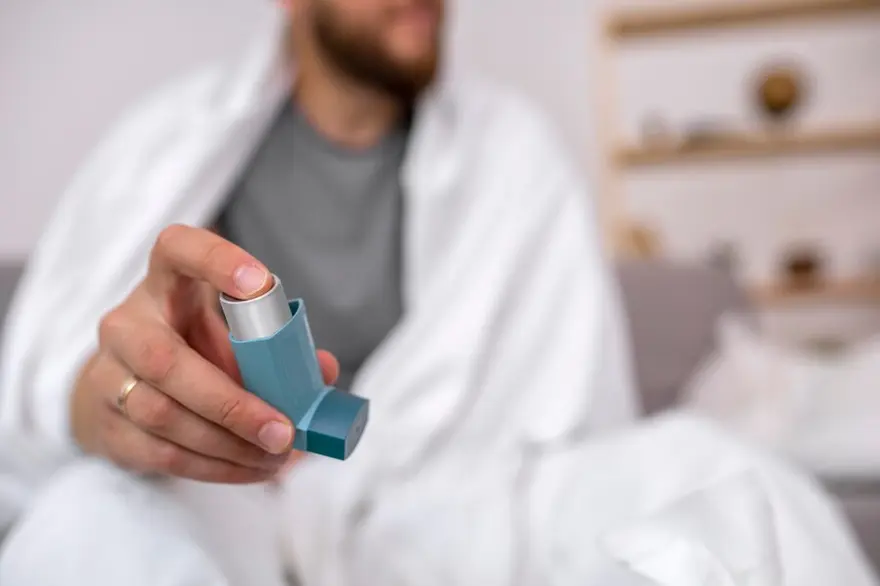
This means using your controller inhaler daily to prevent flare-ups and keep inflammation at bay. If you notice winter asthma symptoms coming up, use your quick-relief inhaler as instructed.
Bundle Up
Before heading out into the cold, wrap a scarf around your nose and mouth. This will help warm and humidify the air you breathe in, making it less likely to irritate your lungs.
Breathe Through Your Nose
Your nose acts as a natural humidifier, warming and moistening the air before it reaches your lungs. Breathing through your mouth bypasses this built-in filtration system. So next time you're out in the cold, make a conscious effort to inhale and exhale through your nostrils.
Vacuum Often
Regular vacuuming is a must to keep dust mites and pet dander at bay. If possible, use a vacuum with a HEPA filter, which can trap 99.97% of tiny particles. Wash your beddings weekly in hot water, and consider using dust-mite-proof pillows and mattress covers.
Keep Your Indoor Air Clean
Besides regular cleaning, you can use an air purifier with a HEPA filter to remove allergens and irritants from the air. Also, make sure to change your furnace filters regularly to keep dust and debris from circulating.
What Lifestyle Changes Can Help Keep Asthma Under Control During Winter?
In addition to following your treatment plan and avoiding triggers, you can also adopt some healthy habits as it can go a long way toward easing winter asthma:
Stay Hydrated
Dry winter air can parch your airways and thicken mucus, making it harder to clear your lungs. Sipping water throughout the day can keep your airways moist and reduce your risk of flare-ups.
Wash Your Hands
Frequent handwashing is best defence against the viruses that can trigger asthma attacks. Scrub with soap and water for at least 20 seconds, or use an alcohol-based hand sanitiser when you're on the go.
Reduce Stress
While stress doesn't directly cause asthma, it can worsen winter asthma symptoms and make attacks harder to control. To manage stress, try deep breathing, yoga, meditation, or doing things you enjoy. If you're finding it hard to cope, don't hesitate to talk to a mental health professional.
Exercise Indoors
Physical activity is important for overall health, but cold air and winter sports like skiing can be challenging for people with asthma. Instead, choose indoor workouts like using the treadmill at the gym or swimming in an indoor pool. If you choose to exercise outside, be sure to use your pre-exercise inhaler and warm up properly first.
What Are The Treatment Options For Winter Asthma?
If lifestyle changes and avoiding triggers aren't enough to manage your winter asthma symptoms, your doctor may recommend winter asthma treatment options such as:
- Inhaled corticosteroids: These anti-inflammatory medications are key for asthma treatment. It helps reduce swelling and mucus in your airways, making it easier to breathe. Most people with ongoing asthma need to take these daily controller medicines throughout the year.
- Long-acting beta-agonists (LABAs): Often used in combination with the inhaled steroids, LABAs (like formoterol and salmeterol) are bronchodilators that help relax and open your airways. They are often administered twice a day using an inhaler or nebulizer.
- Oral Corticosteroids: For severe asthma flare-ups, your doctor may prescribe a course of oral steroids (like prednisone) to control inflammation quickly. These strong medications can have certain side effects, so they are only used for a short period.
- Biologics: If you have severe, persistent asthma that's not well-controlled even with inhaled medications, your doctor may recommend a biologic drug. Given through an injection or infusion, these cutting-edge medicines targets specific molecules involved in the asthma process.
What's The Takeaway For People With Asthma?
Although winter can be challenging for people with asthma, there are ways to breathe easier and stay healthy. By identifying triggers, following your winter asthma treatment plan, and making smart lifestyle choices, you can keep your symptoms under control - and enjoy all the season has to offer.
For expert insights and personalised care, consider with Metropolis Healthcare, India's leading chain of diagnostic labs. With a wide network of state-of-the-art facilities and skilled phlebotomists who can collect samples right from the comfort of your home, Metropolis makes it simple to stay on top of your asthma and overall health. Book your health check today and breathe easy knowing you're in good hands.