

 App Store
 Google Play







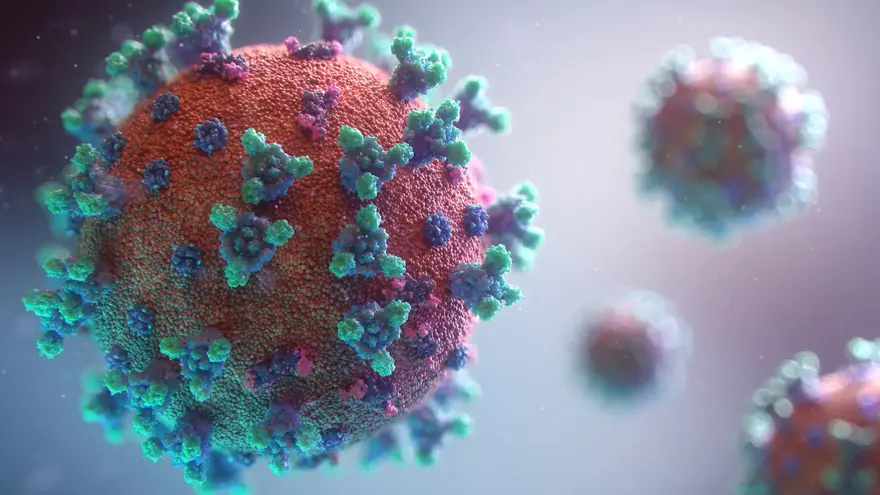
Nipah virus, a zoonotic virus primarily carried by fruit bats, has emerged as a significant public health concern in several regions, including Southeast Asia and India. With its potential to cause severe illness and high mortality rates, understanding the symptoms, transmission modes, and prevention strategies for the Nipah virus is crucial. This article aims to provide clear, reliable information about the Nipah virus, empowering you to protect yourself and your loved ones.
What is the Nipah virus?
Nipah virus (NiV) belongs to the genus Henipavirus and is transmitted from animals to humans, making it a zoonotic virus. Fruit bats, particularly species like Pteropus lylei and Hipposideros larvatus, are the primary carriers of the virus. Once infected, humans can experience a range of symptoms, from asymptomatic to severe, and the virus can lead to life-threatening complications.
The first identified Nipah virus outbreak occurred in Malaysia in 1999, and since then, outbreaks have been reported in several countries, highlighting the need for increased awareness and preventive measures.
Where is the Nipah virus found?
The Nipah virus has been identified in several regions, including:
Southeast Asian countries like Malaysia, Singapore, and Bangladesh
India, particularly in the states of West Bengal and Kerala
Cambodia, Thailand, Madagascar, and Ghana (in fruit bats, but no human infections reported)
It's essential to stay informed about Nipah virus outbreaks and take necessary precautions if you live in or plan to visit these regions.
What are the symptoms of the Nipah virus?
Nipah virus symptoms typically appear 4-14 days after exposure and can vary from person to person. Common symptoms include:
Fever
Vomiting
Muscle pain
Sore throat
Difficulty breathing
In severe cases, the virus can cause acute encephalitis, leading to:
Drowsiness
Seizures
Altered consciousness
It's crucial to seek medical attention immediately if you experience any of these symptoms, especially if you have been in contact with potentially infected animals or people.
What Does the Nipah Virus Do to Humans?
Nipah virus can cause severe illness in humans, affecting both the respiratory and nervous systems. In addition to the symptoms mentioned above, the virus can lead to long-term neurological consequences in survivors, such as persistent seizures and personality changes.
What Causes Nipah Virus?
Nipah virus causes include:
- Direct contact with infected fruit bats or their body fluids
- Consumption of contaminated food or drinks, such as raw date palm sap contaminated with bat saliva or urine
- Close contact with infected humans
Fruit bats are the primary carriers of the virus, and they can transmit it to other animals, such as pigs. In turn, infected pigs can spread the virus to humans through close contact. Human-to-human transmission has also been documented, particularly in healthcare settings and among close family members.
How contagious is the the Nipah virus?
Nipah virus can be contagious, especially in close living quarters and healthcare settings. Human-to-human transmission has been observed in several outbreaks, underscoring the importance of proper infection control measures.
How Does the the Nipah Virus Spread?
Nipah virus transmission occurs through:
Direct contact with infected animals or their body fluids
Consumption of contaminated food or drinks
Close contact with an infected person
Is Nipah virus airborne?
Currently, there is no evidence to suggest that nipah virus is airborne. Transmission primarily occurs through direct contact or exposure to contaminated substances.
What are the risk factors for Nipah virus?
Risk factors for nipah virus include:
Living in or visiting areas where the virus is common
Consuming raw date palm sap
Having close contact with infected animals or humans
High population density, which increases the risk of virus transmission
What are the complications of the Nipah virus?
Severe complications of the nipah virus include acute encephalitis, which can be life-threatening and may result in long-term neurological consequences. The virus can also cause respiratory distress and other systemic symptoms.
How is the Nipah virus diagnosed?
Nipah virus diagnosis typically involves:
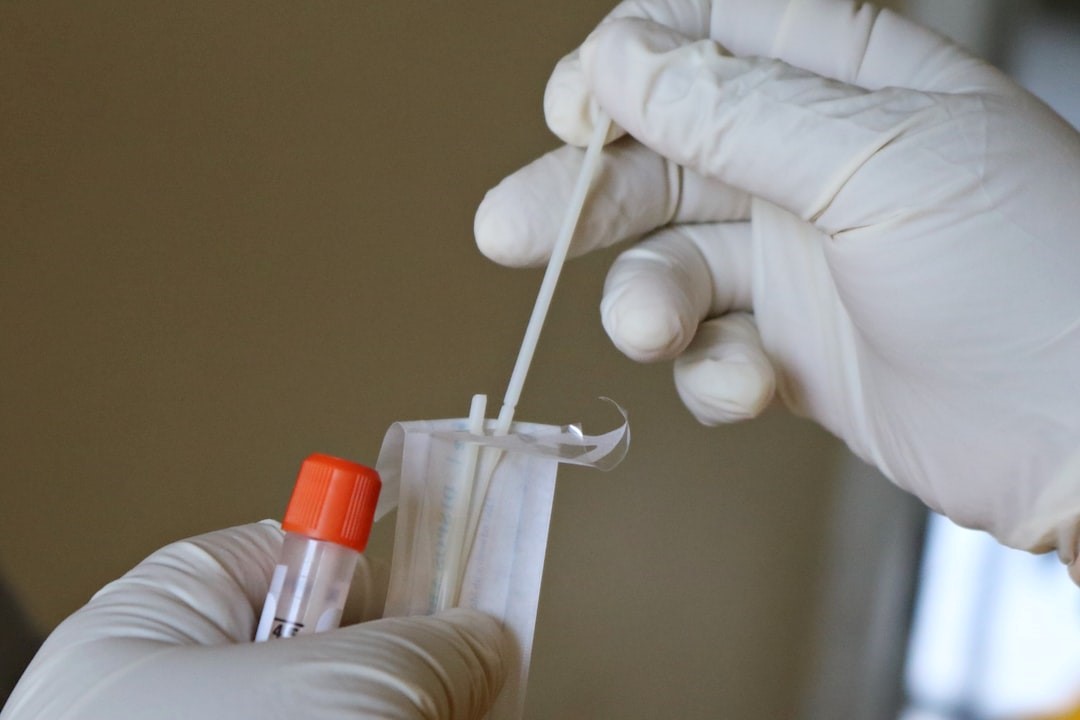
- Real-time polymerase chain reaction (RT-PCR) test on throat and nasal swabs, cerebrospinal fluid samples, urine samples, or blood samples
- Enzyme-linked immunosorbent assay (ELISA) test to confirm prior infection in later stages or after recovery
Your healthcare provider will determine the most appropriate diagnostic tests based on your symptoms and exposure history.
How is the Nipah virus treated?
Currently, there are no specific nipah virus medicines or treatments. Nipah virus treatment primarily focuses on supportive care, which includes:
Rest
Hydration
Management of specific symptoms using medications such as acetaminophen, ibuprofen, and anti-seizure drugs
Researchers are working on developing antiviral medications and vaccines, but none are currently available for widespread use.
Is There a Cure for Nipah Virus?
As of now, there is no cure for nipah virus. Treatment is limited to supportive care to manage symptoms and complications.
How to Prevent Nipah Virus?
Nipah virus prevention strategies include:
- Avoiding consumption of raw date palm sap
- Using protective measures like bamboo skirts to prevent bats from accessing date palm sap collection pots
- Practicing good personal hygiene, such as washing hands regularly
- Implementing behavior change interventions to educate people about the risks associated with nipah virus
- Conducting surveillance and quarantine of infected individuals in high-risk areas
Adopting these preventive measures can significantly reduce the risk of nipah virus transmission and help contain outbreaks.
Do People Survive Nipah Virus?
The survival rate for the nipah virus varies depending on the outbreak and the effectiveness of health interventions. Mortality rates have ranged from 40% to 75% in past outbreaks. Early diagnosis and prompt supportive care can improve the chances of survival.
When to See a Doctor?
If you experience symptoms such as fever, headache, or respiratory problems after potential exposure to nipah virus, particularly in areas where outbreaks have been reported, it is essential to seek medical attention immediately. Early diagnosis and treatment can significantly improve outcomes and prevent further transmission.
Conclusion
Nipah virus poses a significant threat to public health due to its severity and potential for outbreaks. By understanding the symptoms, transmission modes, and prevention strategies, we can take steps to protect ourselves and our communities. If you suspect exposure to the nipah virus or experience symptoms, don't hesitate to consult a healthcare professional. Reliable diagnostic services, like those offered by Metropolis Healthcare, can help in early detection and management of the virus. Remember, staying informed and proactive is key to safeguarding your health and the well-being of those around you.