

 App Store
 Google Play







What is Horner syndrome?
Horner syndrome is a rare disorder that results from damage to a nerve pathway from the brain to the face and neck. It usually affects only one side of the body leading to specific symptoms like decreased pupil size, a drooping eyelid (also known as ptosis), and reduced sweating on the affected side of the face.
Named after Johann Friedrich Horner who first identified it, it's also known as Bernard-Horner syndrome or oculosympathetic palsy.
Is Horner syndrome life-threatening?
While Horner syndrome itself may not be life-threatening, it can be indicative of serious underlying health conditions such as stroke, tumour, or spinal cord injury. Therefore, recognising the signs early on can lead to prompt treatment for these underlying causes.
Who does Horner syndrome affect?
No one is immune to developing Horner syndrome. Although adults can develop this condition due to various reasons, such as injuries or underlying diseases like tumours or strokes, newborn babies could also present with this condition due to factors like birth trauma.
What are the symptoms of Horner syndrome?
Horner syndrome symptoms usually affect only one side of the face. Common signs and symptoms include:
- Decreased pupil size or a persistently small pupil (miosis)
- A notable difference in pupil size between the two eyes
- Little or delayed opening of the affected pupil in dim light
- Drooping of the upper eyelid (ptosis)
- Slight elevation of the lower lid, sometimes referred to as upside-down ptosis
- Sunken appearance of the affected eye
- Little or no sweating on the affected side of the face
In children, additional Horner syndrome symptoms may include lighter iris colour in an infant's affected eye and changes in facial colour due to heat, physical exertion, or emotional reactions.
What causes Horner syndrome?
Horner syndrome's causes can be traced back to damage to a certain pathway in the sympathetic nervous system. The nerve pathway affected by Horner syndrome is divided into three groups, each associated with specific types of causes:
First-order (central) Horner syndrome
This neuron pathway starts from the hypothalamus at the base of the brain, passes through the brainstem, and extends into the upper portion of the spinal cord. Conditions that can disrupt nerve function in this region include stroke, tumours, diseases that cause loss of protective sheath on neurons (myelin), neck trauma, and cysts in the spinal column.
Second-order (preganglionic) Horner syndrome
This neuron path extends from the spinal column across to the upper part of the chest and into the side of the neck. Lung cancer, tumours of the myelin sheath (schwannoma), damage to major blood vessels leading from the heart (aorta), surgery in the chest cavity, and traumatic injury are potential causes of the Horner syndrome associated with this region.
Third-order (postganglionic) Horner syndrome
This path extends along the side of the neck, leading to the facial skin and muscles of the iris and eyelids. Nerve damage in this region may be associated with damage to the carotid artery or jugular vein along the side of the neck, a tumour or infection near the base of the skull, migraines, and cluster headaches.
In some cases, no identifiable cause can be found. This is known as idiopathic Horner syndrome.
How is Horner syndrome diagnosed?
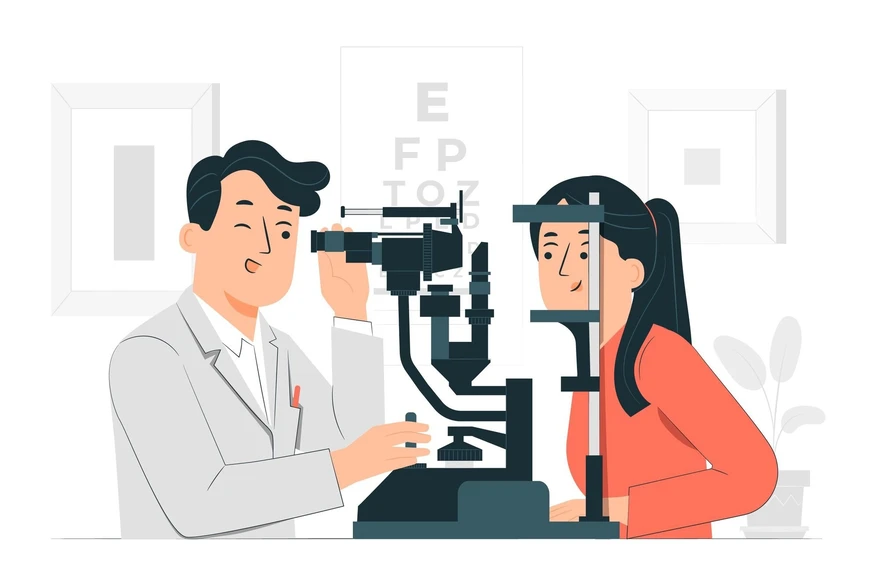
An accurate Horner syndrome diagnosis requires a combination of your medical history, physical examination, and specific tests. In some cases, an eye specialist (ophthalmologist) may confirm the diagnosis by administering medicated eye drops to both eyes and then comparing the reactions.
To identify the site of nerve damage causing Horner syndrome, doctors may order imaging tests such as magnetic resonance imaging (MRI), magnetic resonance angiography (MRA), chest x-rays, or computerised tomography (CT).
The results can pinpoint the lesion or irregularity disrupting the nerve pathway, thus assisting in diagnosing Horner syndrome.
How is Horner syndrome treated?
Currently, there's no specific Horner syndrome treatment. However, addressing the underlying cause can often resolve Horner syndrome symptoms.
For instance, surgery might be recommended if a tumour causes your Horner syndrome. In cases where the cause cannot be identified, called idiopathic Horner syndrome, doctors focus on managing symptoms.
How to prevent Horner syndrome?
As Horner syndrome is usually a secondary condition resulting from an underlying medical problem like stroke or spinal cord injury, prevention measures primarily involve managing these potential causes:
- Regular health checks: Regular check-ups can detect conditions that may potentially lead to Horner syndrome early on.
- Healthy lifestyle: Adopting healthy habits reduces the risk of conditions like stroke, which could trigger Horner syndrome.
- Prompt Horner syndrome treatment: Timely treatment of identified health issues can minimise the risk of complications like Horner syndrome.
What is the prognosis for Horner syndrome?
The prognosis for Horner syndrome largely depends on the underlying cause. If it's due to a treatable cause, recovery is usually good. In some cases, the symptoms may disappear once the underlying condition is effectively treated.
When to see a doctor?
It's crucial to consult a doctor if you notice any signs or symptoms associated with Horner syndrome. Immediate medical attention is especially required if symptoms include:
- Appear suddenly.
- Follow a traumatic injury.
- Are accompanied by impaired vision, dizziness, slurred speech, difficulty walking, muscle weakness, or a severe headache.
Prompt and accurate diagnosis can lead to effective treatment of the underlying Horner syndrome causes, reducing potential complications.
Conclusion
Understanding Horner syndrome is the first step towards managing it effectively. Remember, early diagnosis and an appropriate Horner syndrome treatment plan can make a significant difference.
Regular health check-ups and embracing healthy lifestyle habits can also play a pivotal role in preventing conditions that might lead to Horner syndrome.
Consider partnering with Metropolis Labs for your diagnostic needs. As one of India's leading pathology labs, we offer reliable blood testing and health check-up services right at your doorstep. Our advanced diagnostic labs ensure precise results that are shared conveniently online via email and our user-friendly TruHealth app.