

 App Store
 Google Play







What is Acute Encephalitis Syndrome (AES)?
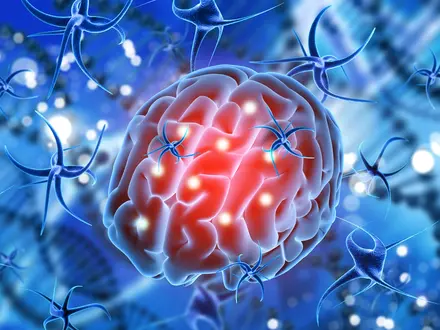
Acute encephalitis syndrome refers to a group of conditions characterised by acute inflammation of the brain. Rather than a single disease, AES is defined by a set of clinical neurological symptoms that can result from various infectious and non-infectious causes. The hallmark of AES is a rapid deterioration in mental status, often accompanied by seizures, severe headache, and altered consciousness. Predominantly affecting children and young adults, untreated acute encephalitis syndrome carries a high risk of severe complications and mortality. Prompt diagnosis and treatment are essential, as the prognosis heavily depends on how quickly appropriate medical care is initiated.
Causes of Acute Encephalitis Syndrome
AES can be triggered by multiple factors, but viral infections remain the most common cause globally. Some key acute encephalitis syndrome causes include:\
- Viruses (such as Japanese encephalitis virus (JEV), herpes simplex virus (HSV), enteroviruses, varicella-zoster virus, dengue, Epstein-Barr virus, Chandipura virus, Influenza A)
- Bacteria (such as Streptococcus pneumoniae and Mycobacterium tuberculosis) in certain regions
- Fungi and parasites (rarely)
- Autoimmune reactions (e.g., after infection or in response to tumours)
- Toxins and metabolic disorders.
Symptoms of AES
The initial presentation of AES often resembles the flu but can escalate rapidly. Common acute encephalitis syndrome symptoms include:
- High fever
- Severe headache
- Nausea and vomiting
- Altered mental status (confusion, disorientation, drowsiness)
- Seizures
- Coma or loss of consciousness
- Behavioural changes
- Muscle weakness or paralysis
- Difficulty speaking or understanding language
- Movement disorders
Symptom severity ranges from mild to life-threatening, usually developing over hours to days. In children, irritability, poor feeding, and lethargy are important red flags. If these signs appear abruptly, immediate medical attention is crucial, as early treatment drastically improves prognosis.
Who is Affected by AES?
While AES can impact people of all ages, it most frequently strikes children and young adults. Those living in regions with endemic viral infections and inadequate sanitation face a higher risk. Additionally, individuals with weakened immune systems and the elderly show increased susceptibility.
How is Acute Encephalitis Syndrome Diagnosed?
Diagnosing AES involves a combination of clinical assessment and laboratory investigations:
- Thorough medical history and physical examination
- Neurological assessment evaluating mental status, reflexes, and motor skills
- Blood tests checking for markers of infection and inflammation
- Lumbar puncture to analyse cerebrospinal fluid (CSF) for cell counts, protein, glucose, infectious organisms, or immune markers
- Neuroimaging (CT or MRI) to detect brain swelling or structural abnormalities
- Electroencephalogram (EEG) to assess the brain's electrical activity
- Polymerase Chain Reaction (PCR) testing and serological assays, including a Viral Marker Test, are used to identify specific viral or bacterial culprits
Comprehensive and timely testing is vital to differentiate acute encephalitis syndrome from other neurological disorders and guide appropriate treatment without delay.
Treatment Options for AES
Management of AES is considered a medical emergency, focusing on urgent supportive care and targeting the underlying cause whenever possible:
- Hospitalisation for close monitoring and management
- Antiviral medications like acyclovir for HSV encephalitis
- Broad-spectrum antibiotics or antifungals, tailored once the causative organism is identified
- Corticosteroids or immunotherapy in cases of autoimmune encephalitis
- Supportive measures (such as intravenous fluids, oxygen supplementation, control of fever and seizures, and mechanical ventilation if needed)
- Physical and occupational therapy to aid rehabilitation post-acute illness
Prompt initiation of suitable acute encephalitis syndrome treatment is key to optimising recovery and minimising risks of lasting neurological deficits.
How to Prevent Acute Encephalitis Syndrome?
Prevention strategies for AES centre around vaccination (particularly against Japanese encephalitis), effective vector control, use of insect repellents, access to clean drinking water, and adherence to good hygiene practices. Timely treatment of infections and robust public health measures in endemic regions are pivotal in curtailing disease transmission. The acute encephalitis syndrome vaccine, especially for JEV, has proven instrumental in reducing incidence in high-risk populations.
Risk Factors of Acute Encephalitis Syndrome
Factors that increase vulnerability to AES include residence in or travel to areas endemic for mosquito-borne viruses, lack of vaccination, compromised immunity, very young or advanced age, and poor sanitation. AES outbreaks, particularly those due to JEV, occur more frequently during monsoon and post-monsoon months in rural localities with poor vector control.
When to See a Doctor
Seek medical attention immediately if you or someone you know experiences:
- Sudden high fever
- Severe headache
- Confusion, disorientation, or personality changes
- Seizures
- Loss of consciousness
- Muscle weakness or paralysis
These symptoms can signal a medical crisis, as acute encephalitis syndrome can deteriorate swiftly and become life-threatening without immediate diagnosis and treatment.
Summary: Staying Aware About AES
Acute encephalitis syndrome is a serious neurological condition that can progress rapidly. Awareness of its symptoms, causes, and risk factors allows for prompt medical care and prevention. Vaccination and mosquito control in high-risk areas are key to reducing its impact. If you suspect AES, seek medical attention immediately for an accurate diagnosis and appropriate treatment.
Metropolis Healthcare, a leading chain of pathology labs across India, offers advanced testing services to aid in the diagnosis of AES. With a team of expert technicians available for at-home sample collection and state-of-the-art diagnostic facilities, Metropolis ensures reliable results and personalised care. Test reports can be conveniently accessed online via email and the user-friendly Metropolis TruHealth app.
FAQs
What is acute encephalitis syndrome?
Acute encephalitis syndrome is an abrupt inflammation of the brain, usually caused by infections or autoimmune reactions, leading to neurological symptoms like high fever, headache, confusion, and seizures.
What are the common causes of AES?
Most common acute encephalitis syndrome causes include viral infections like Japanese encephalitis, herpes simplex, or influenza. Less commonly, bacteria, fungi, parasites, or autoimmune disorders can cause acute encephalitis syndrome.
What are the early signs of acute encephalitis syndrome?
The initial acute encephalitis syndrome symptoms often resemble the flu, including high fever, severe headache, and fatigue. These rapidly progress to neurological symptoms like confusion, disorientation, seizures, and muscle weakness.
What tests are done to diagnose AES?
Diagnosis involves neurological examinations, blood tests, cerebrospinal fluid (CSF) analysis, brain imaging [computed tomography (CT)/magnetic resonance imaging (MRI)], electroencephalography (EEG), and polymerase chain reaction (PCR) or serological tests to identify infectious or autoimmune triggers.
How is AES treated?
AES treatment typically includes antiviral or antibiotic medications, anti-seizure medications, immunotherapy (for autoimmune causes), and intensive supportive care to manage symptoms and prevent complications.
How can AES be prevented?
Acute encephalitis syndrome can be prevented by vaccination (especially against Japanese encephalitis), mosquito and tick control measures, practising good hygiene, and avoiding contact with potential viral carriers.
When should someone seek emergency care for AES symptoms?
Seek immediate medical attention if you notice symptoms like high fever with confusion, seizures, difficulty speaking, muscle weakness or paralysis, as prompt treatment is essential for managing acute encephalitis syndrome.